
2026 Fine Jewelry Trends: What Insiders Are Buying
The fine jewelry landscape is shifting dramatically in 2026, and if you're paying attention, you'll notice something interesting: buyers are getting smarter, more informed, and more intentional about where they invest their money.
The days of blindly trusting "heritage brands" with opaque pricing are over. In their place? A new era of transparency, sustainability, and value-driven purchasing where buyers understand exactly what they're getting—and why.
Let's explore the trends defining fine jewelry in 2026, and discover which techniques are reshaping how we think about luxury.
The 2026 Fine Jewelry Landscape: What's Driving Change
Before we dive into specific trends, here's what's fundamentally reshaping fine jewelry:
1. Transparency in Pricing
Buyers want to understand what they're paying for—materials, labor, craftsmanship. They're choosing makers who offer transparent pricing models rather than arbitrary markups.
2. Lab-Grown Diamond Acceptance
Lab-grown diamonds have moved from "alternative" to mainstream. With identical chemical composition to mined diamonds, superior ethics, and accessible pricing, they've become the smart choice for informed buyers.
3. Sustainability as Standard
Ethical sourcing, recycled metals, minimal waste—these aren't special features anymore, they're baseline expectations. Buyers want beautiful jewelry that doesn't require environmental destruction or questionable labor practices.
4. Investment Quality Over Trend
Fast fashion jewelry is out. Buyers are investing in fewer, better pieces—heirloom-quality jewelry that holds value, tells a story, and works for decades rather than seasons.
5. Value Consciousness Without Compromise
The biggest shift? Buyers refuse to choose between quality and value. They want exceptional diamonds, beautiful design, and expert craftsmanship—at prices that make sense.
Now, let's explore the specific trends dominating 2026.
Trend #1: Lab-Grown Diamonds Go Mainstream
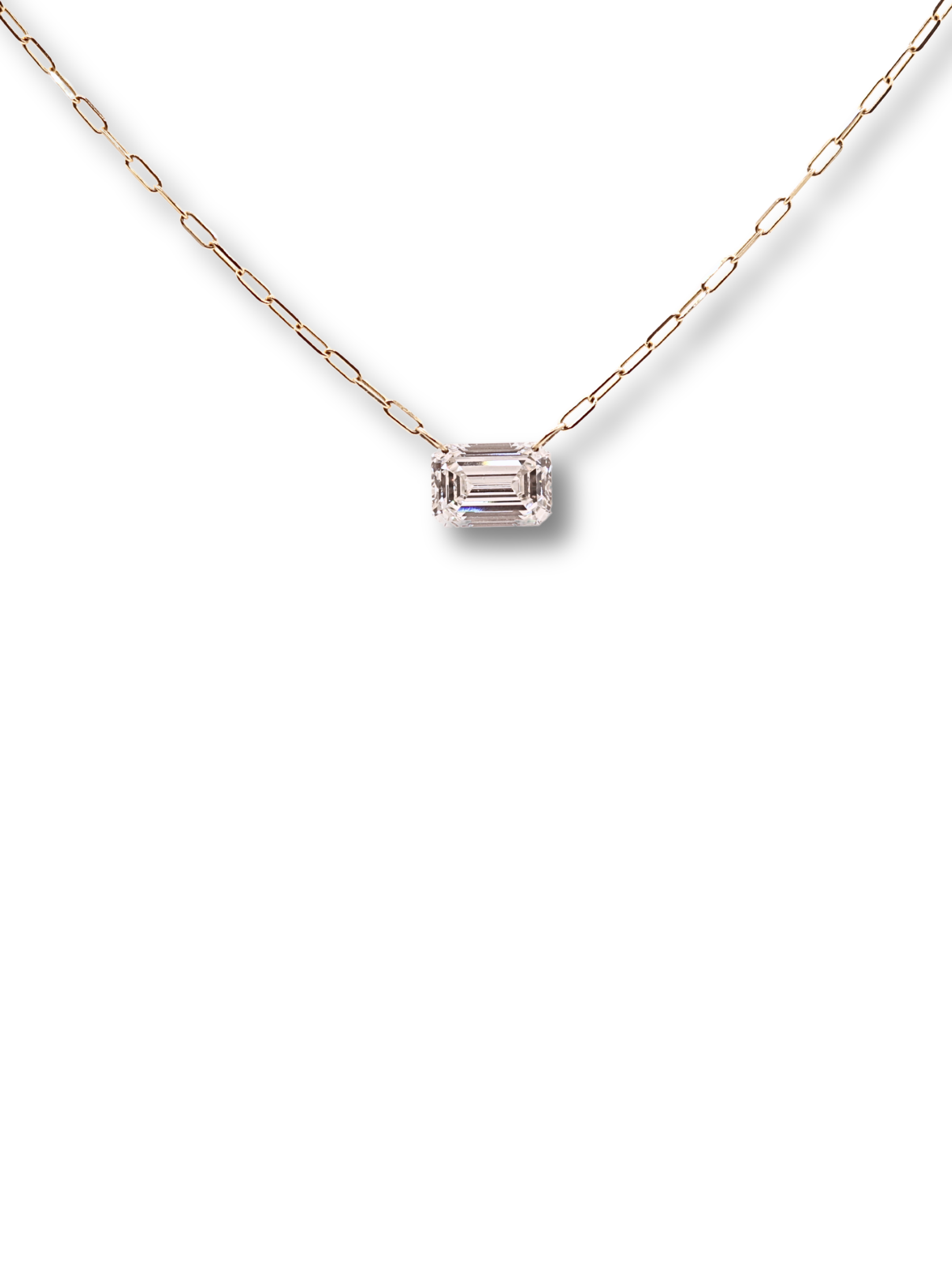
Clean lines, endless fire. The emerald cut is geometry at its most elegant — long, open facets that create a hall-of-mirrors effect inside the stone. We precision-drill each diamond through its center and suspend it from a 14K gold jump ring, removing the metal framework of a traditional setting so nothing stands between you and the stone's natural brilliance.
What's Happening:
Lab-grown diamonds are no longer the alternative—they're the preference for informed buyers. With identical chemical composition to mined diamonds (they're 100% real diamonds), superior clarity and color options, and significantly more accessible pricing, the value proposition is undeniable.
Why It Matters:
Lab-grown technology means larger stones become attainable. Buyers who previously had to compromise on size or quality can now access exceptional diamonds that were once out of reach. A 2ct lab-grown diamond costs approximately what a 0.75ct mined diamond costs—meaning you can have the presence and sparkle you actually want.
The Investment Angle:
You're not overpaying in the first place, which means you can invest in the size and quality that truly makes you happy rather than settling for what traditional pricing allowed.
Best For:
Buyers who want substantial carat weight
Environmentally conscious consumers
Anyone building a jewelry collection strategically
People who prioritize the stone over origin story
Watch For:
Quality variations (always check IGI or GIA certification)
Clarity and color grades (lab-grown can be better or worse than natural)
Retailer markup transparency.
Trend #2: Colored Diamonds & Gemstones as Centerpieces
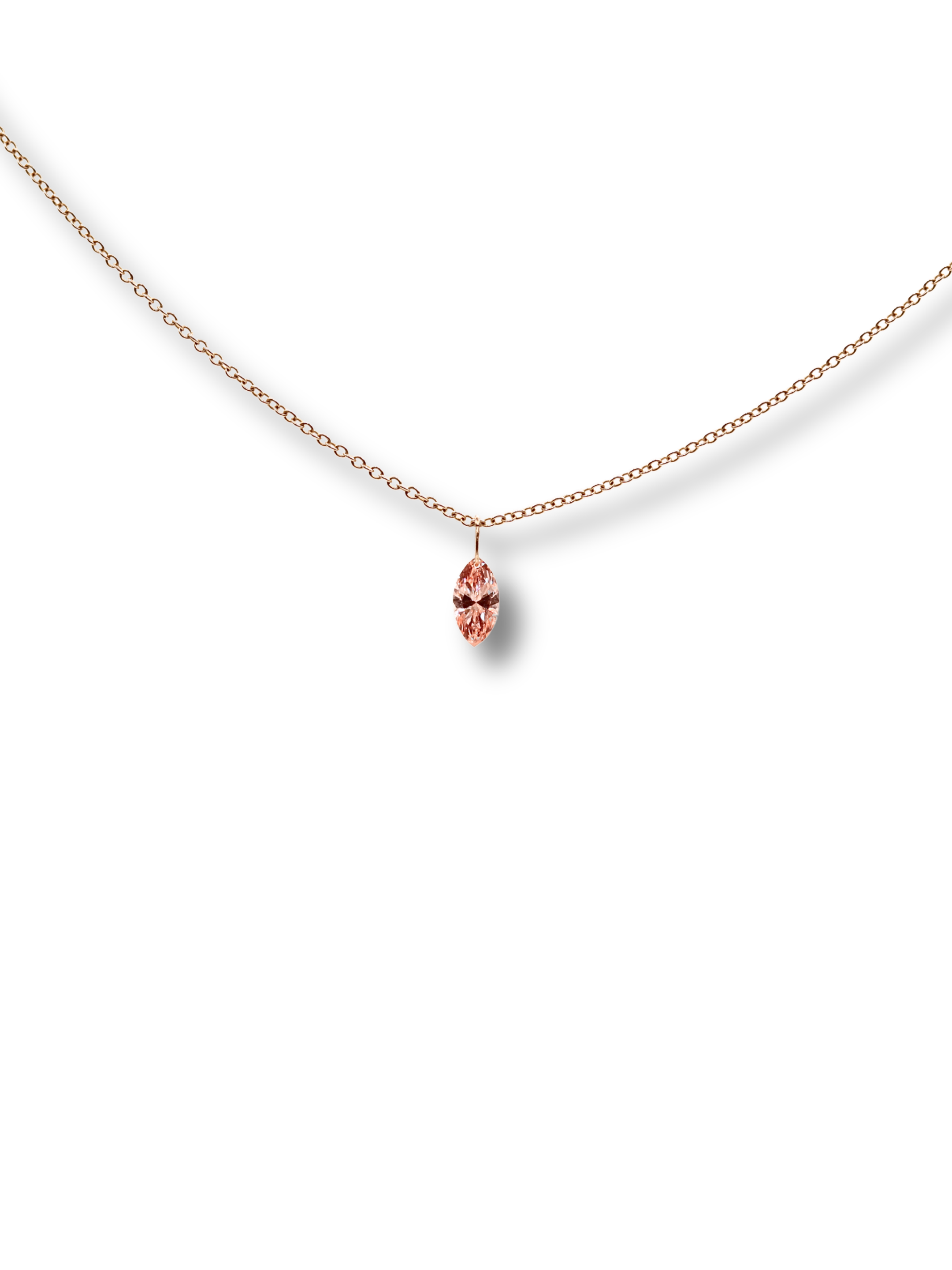
A stunning burst of saturated pink color — bold enough to stand out, yet delicate enough to wear every day. This 0.38-carat Fancy Vivid Pink marquise-cut lab-grown diamond measures 7.23 x 3.72 x 2.41 mm, with an elongated silhouette that feels modern, romantic, and unmistakably luxe.
What's Happening:
Colorless diamonds are beautiful, but 2026 buyers are embracing color as a form of personal expression. Fancy colored diamonds (blues, pinks, yellows, champagnes) and high-quality gemstones (sapphires, emeralds, rubies) are taking center stage.
Why It Matters:
Natural fancy colored diamonds are extraordinarily rare and expensive. Lab-grown colored diamonds offer stunning hues at accessible prices, making the previously impossible suddenly within reach.
The Color Palette:
Fancy Blue: Oceanic sophistication, cool-toned elegance, increasingly popular
Champagne/Cognac: Warm, earthy, vintage-inspired
Pink: Romantic, feminine, highly sought-after
Yellow: Sunny, bold, cheerful
Green: Rare, distinctive, nature-inspired
Best For:
Buyers who want truly unique pieces
"Something blue" wedding jewelry that's actually investment-quality
Collections that tell a story through color
Standing out from traditional colorless diamond jewelry
Investment Note:
Colored diamonds offer superior hardness (10 on Mohs scale vs. 9 for sapphire, 7.5-8 for emerald) and better long-term durability for jewelry worn frequently.
Trend #3: Unique Cuts Over Generic Rounds
What's Happening:
Round brilliant diamonds still dominate engagement rings, but fine jewelry buyers in 2026 are gravitating toward distinctive cuts that showcase individual style and maximize visual impact.
Trending Cuts:
Emerald Cut - Step-cut faceting creates hall-of-mirrors elegance. Sophisticated, timeless, and increasingly popular with minimalist aesthetics.
Asscher Cut - Square emerald cut with Art Deco heritage and vintage glamour. Perfect for buyers who love Old Hollywood style.
Octagon Cut - Rare, architectural, and distinctive. Eight-sided brilliance that almost no one else has.
Pear Cut - Romantic and versatile. Looks noticeably larger than round diamonds of the same carat weight.
Marquise Cut - Dramatic, elongated, having a major resurgence. Creates incredible visual impact.
Heart Cut - Unabashedly romantic. Perfect symmetry is difficult to achieve, making well-cut hearts rare and valuable.
Oval Cut - Modern classic. Elongated shape creates the illusion of even larger size and works with all styles.
Cadillac Cut - Rare five-sided shield shape named for the Cadillac logo. Vintage-inspired but completely contemporary.
Why It Matters:
Fancy shapes often offer better value per carat than round brilliants because there's less demand, meaning you can get more diamond while having something more distinctive.
Best For:
Collectors who want pieces that feel unique
Buyers who prioritize size appearance
Anyone building a varied collection with different shapes
People who want conversation-starting jewelry
Trend #4: Minimalist Settings & "Diamond First" Philosophy
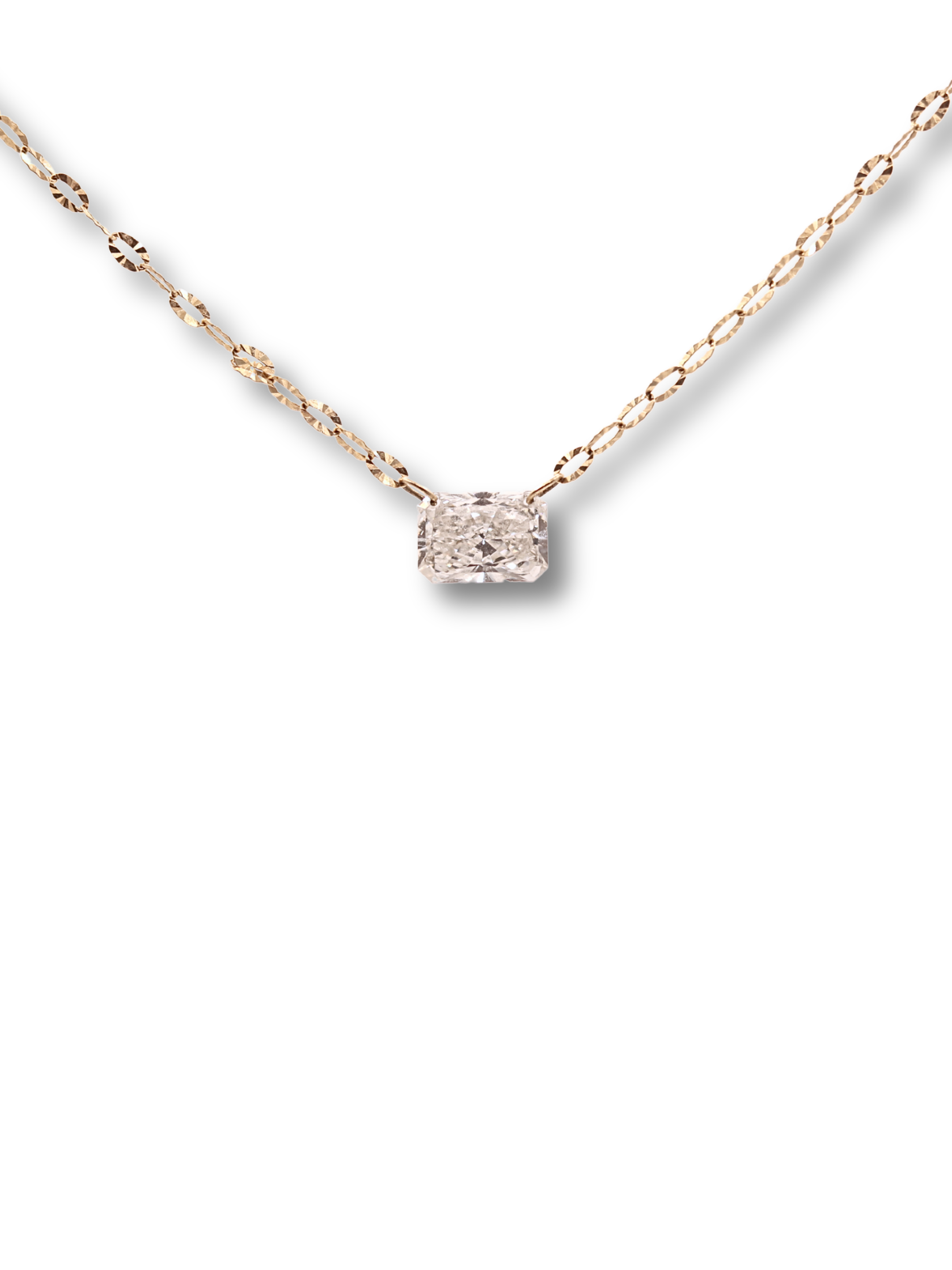
Seventy facets of pure radiance. The radiant cut was engineered to return more light than almost any other diamond shape, and ours takes it further — precision-drilled through the center and suspended from a 14K gold jump ring so nothing blocks the light from entering. The result is a floating diamond that radiates from every angle as it moves with you.
What's Happening:
The era of elaborate, heavy settings is ending. Sophisticated buyers in 2026 have adopted a "diamond first" philosophy: invest in the best possible stone, then showcase it with minimal intervention.
Why It Matters:
Traditional jewelry often features elaborate metalwork that actually detracts from the diamond. Heavy bezels, extensive prong work, halos—all that metal can block light from reaching the stone, obscure the diamond's cut, and date the piece to a specific era.
Modern buyers are flipping this: minimize the metal, maximize the stone.
Setting Options:
Bezel Settings: Full metal frames around the diamond. Secure and classic, but uses substantial gold and can block light angles.
Prong Settings: Four or six prongs holding the diamond. Less metal than bezels but prongs can snag and require maintenance.
Tension Settings: Diamond held by pressure from the band. Modern aesthetic but requires specific cuts and thick bands.
Floating Settings: Precision-drilled diamond suspended by jump rings. Uses minimal metal (about 90% less than traditional settings), maximizes light exposure, and provides 360-degree visibility of the stone.
The Advantage:
When you use less gold in the setting, more of your investment goes into the diamond itself—better color, better clarity, better cut. You're paying for what actually creates beauty (the stone) rather than what holds it (excessive metal).
Best For:
Value-conscious buyers who want their money in the diamond, not the mounting
Modern aesthetic preferences
Buyers who want maximum sparkle and light performance
Collections where you want to showcase various diamond shapes clearly
Trend #5: Stackable, Modular Collections
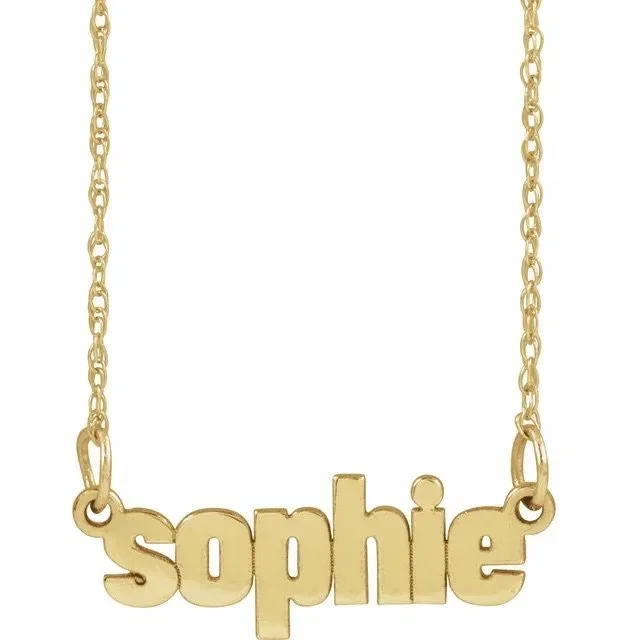
A timeless expression of identity and elegance, our Solid Gold Nameplate Necklace is a modern heirloom crafted for everyday wear. With its clean lines and refined simplicity, this dainty nameplate brings understated luxury to any look — the perfect personalized piece for gifting or daily layering.
What's Happening:
The era of matching jewelry sets is over. In 2026, buyers are building personal collections piece by piece—mixing cuts, sizes, and styles to create looks that feel authentic and distinctive.
Why It Matters:
Instead of investing everything in one statement necklace, buyers are creating versatile collections that can be:
Worn individually for different occasions
Stacked and layered for maximum impact
Mixed and matched to create new combinations
Passed down individually to different family members
The Strategy:
Start with one exceptional piece - Choose your favorite cut and a versatile size (0.75-1.5ct)
Add complementary pieces over time - Different cuts, different sizes, different chain lengths
Mix for variety - Round with emerald, pear with oval, colorless with colored
Create signature combinations - Three pieces on three chains becomes your "look"
Best For:
Buyers who want versatility
People who get bored wearing the same piece repeatedly
Strategic investors building collections over time
Anyone who values options over single statement pieces
Trend #6: Direct-From-Maker Transparency
What's Happening:
Buyers are bypassing traditional retail entirely, working directly with jewelers who offer complete transparency about materials, costs, and processes.
Why It Matters:
Traditional jewelry retail adds layers of markup without adding value. Direct-from-maker models mean you're paying for actual craftsmanship, materials, and reasonable business operations—not retail overhead, massive advertising budgets, or inflated brand prestige.
What Transparency Looks Like:
Materials: Clear disclosure of diamond origin, quality, and sourcing Labor: Honest pricing for skilled work (drilling, setting, finishing) Process: Straightforward explanation of how pieces are made Sourcing: Details about where materials come from and ethics involved
Best For:
Informed buyers who understand jewelry value
People who resent paying for brand names and retail overhead
Anyone building a collection where transparency matters
Buyers who value honesty over marketing hype
Trend #7: Investment-Quality Wedding Jewelry
What's Happening:
Brides are rejecting delicate "bridal jewelry" that gets worn once and stored forever. Instead, they're choosing substantial, investment-quality pieces that work with gowns and everyday elegant outfits.
Why It Matters:
Wedding jewelry should create long-term value, not sit in a box for decades. The best bridal pieces are substantial and versatile enough to become signature jewelry you'll wear for anniversaries, date nights, and important moments throughout your marriage.
What Brides Are Choosing:
Substantial Diamonds: 1.5ct+ stones that make a statement Versatile Lengths: 18" works with gowns and with blouses
Timeless Cuts: Shapes that won't look dated in 20 years Quality Materials: Lab-grown diamonds and solid gold, not plated Minimal Settings: Clean, modern designs that work beyond the wedding
Real Example:
Abbie, a Coastal Carats bride, wore a 3.56ct oval diamond on her wedding day. The piece was so stunning and versatile that months later, when she was ready for something new, that exceptional diamond went on to become a gift from Yung Gravy to his girlfriend Ari Kytsya. The diamond continued creating memories, maintaining value, living multiple lives—exactly how heirloom jewelry should work.
Best For:
Brides who want jewelry they'll actually wear again
Anyone who sees wedding jewelry as an investment, not an expense
People building heirloom collections
Practical buyers who calculate long-term value
The Technique That's Changing Everything: Floating Diamonds
We've explored seven major trends shaping 2026 fine jewelry. Each offers advantages. But there's one technique that's quietly revolutionizing how smart buyers approach fine jewelry: floating diamonds.
What Are Floating Diamonds?
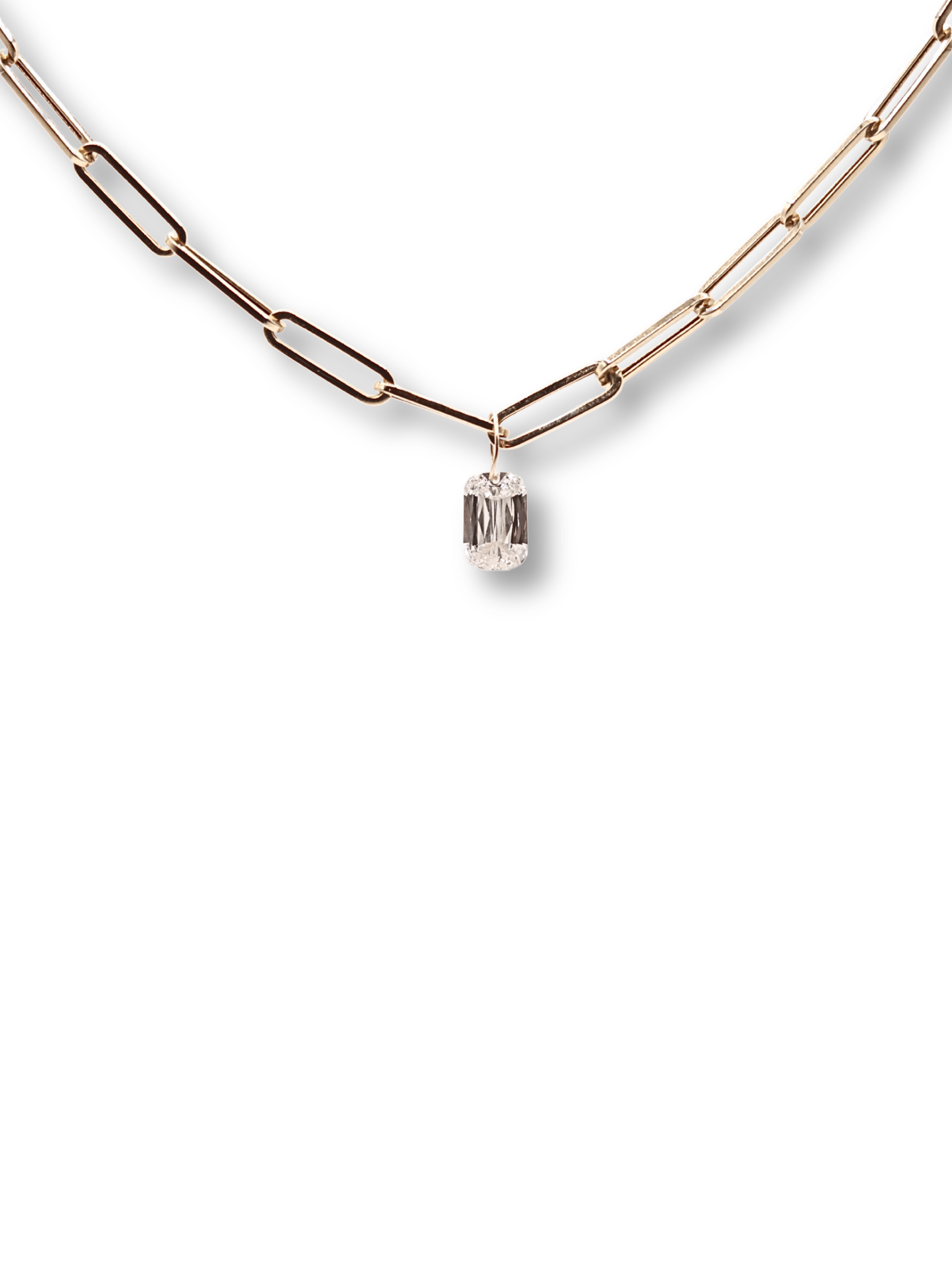
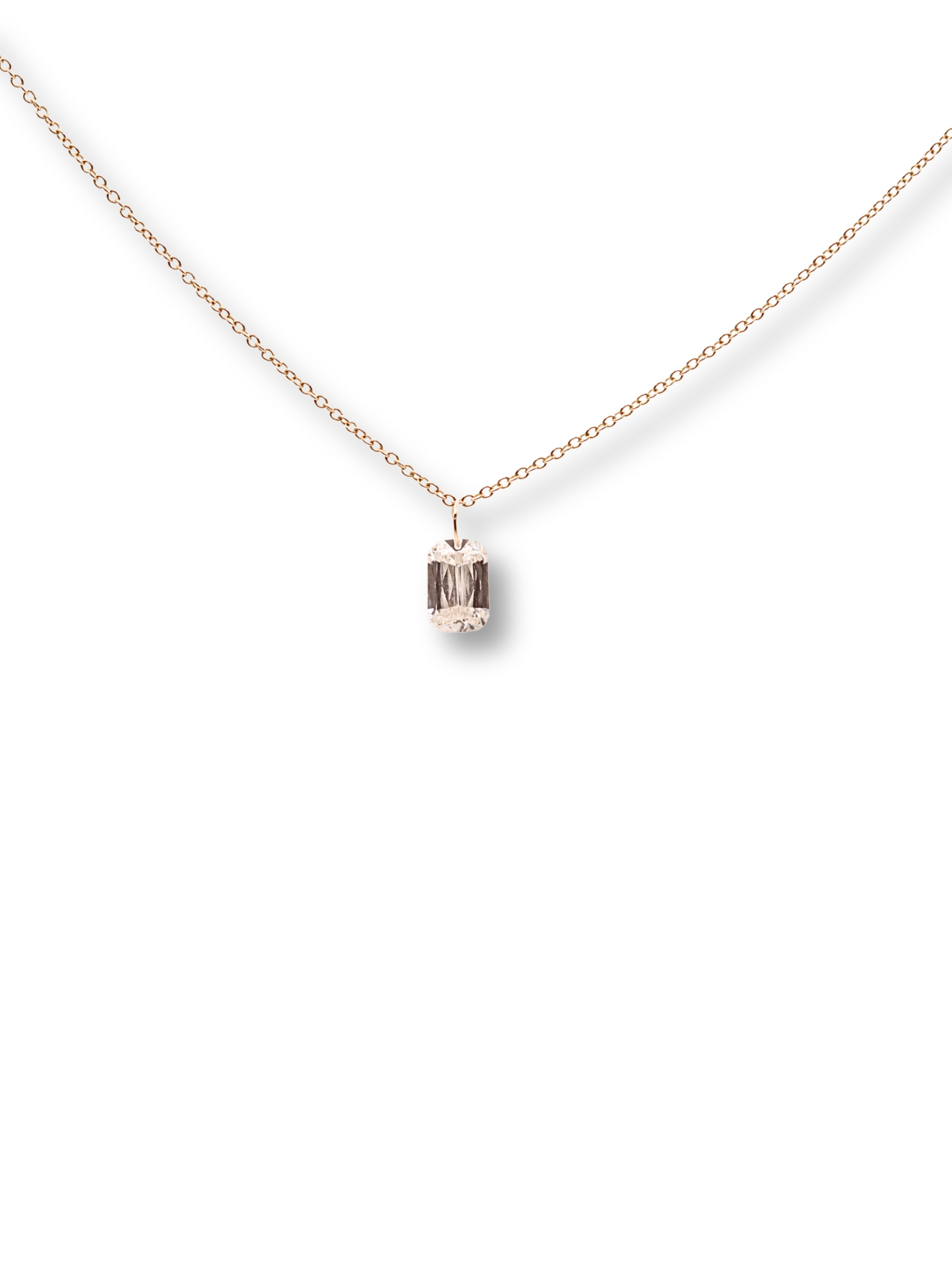
A Coastal Carats signature. The Ashoka-style cut is a shape you will not find anywhere else — its intersecting facets create a dynamic, almost kinetic pattern of light that shifts as the stone moves. Each diamond is precision-drilled with a single hole at the top and suspended from your choice of a 14K solid gold jump ring, creating a true floating effect with minimalist elegance.
Floating diamonds use precision drilling technology to create small holes through the diamond's girdle (the widest part of the stone). The diamond is then suspended by jump rings—small, circular gold connectors—allowing it to "float" without a traditional setting.
The result:
Minimal metal (about 90% less than traditional settings)
360-degree light exposure (no metal blocking any angle)
Constant movement that creates dynamic sparkle
Complete visibility of the diamond's cut and brilliance
Modern, distinctive aesthetic that photographs beautifully
Why This Matters
Think about traditional settings for a moment. A bezel setting requires substantial gold to wrap around the entire circumference of the diamond. Prong settings need metal for each prong plus the base structure. Halos require the center setting plus frameworks for additional stones.
All that metal serves one purpose: holding the diamond. But it doesn't make the diamond more beautiful. Often, it blocks light and obscures portions of the stone you paid for.
Floating diamonds flip this entirely. Two jump rings. That's all you need.
The Light Performance Advantage
Beyond the minimal metal approach, floating diamonds deliver superior sparkle through complete light exposure:
Traditional Settings:
Metal blocks light from sides and sometimes bottom
Dirt/oil gets trapped in settings, reducing sparkle over time
Limited angles for light to enter and exit the diamond
Floating Settings:
Light hits the diamond from all directions
No setting to trap dirt (exceptionally easy to clean)
Maximum light return creates superior brilliance
Constant movement adds dynamic sparkle that static settings can't achieve
For buyers who care about how their jewelry actually performs—not just how much it costs—this light advantage is transformative.
The Aesthetic Distinction
Floating diamonds don't just perform differently—they look different. In an era where everyone has access to similar diamonds, the setting becomes the differentiator.
A floating diamond:
Appears to levitate in space
Moves and catches light dynamically
Shows the entire stone including the pavilion
Creates "how is that working?" moments
Photographs beautifully (no metal glare or obscured angles)
This isn't minimalism for minimalism's sake. It's about letting exceptional diamonds be the star.
Why Floating Diamonds Work for Every Trend
The beauty of floating diamonds is they align with all the 2026 trends:
✓ Lab-Grown Diamonds: Floating settings showcase lab-grown stones beautifully while keeping overall investment accessible
✓ Colored Diamonds: The minimal setting lets color be the focus—nothing obscures that stunning blue, pink, or champagne hue
✓ Unique Cuts: Floating shows off the entire shape—you see the full geometry of that octagon, the complete silhouette of that marquise, the perfect symmetry of that heart
✓ Minimalist Settings: The ultimate minimal setting—literally the least metal possible while maintaining structural integrity
✓ Stackable Collections: Easy to mix, match, and layer different shapes and sizes because there's no bulky metalwork competing
✓ Transparency: The technique is straightforward—you see exactly what you're getting and where the value lies (in the stone)
✓ Wedding Jewelry: Substantial enough for major moments, clean enough to work with any gown style, versatile enough to wear for decades
The Practical Benefits
Versatility: Floating diamond charms can be worn on different length chains, stacked with other pieces, or even reimagined in future custom designs.
Maintenance: Without complex settings, cleaning is simple. No prongs to check or bezels to polish. The diamond is completely accessible.
Comfort: Minimal metal means lighter weight. A 2ct floating diamond feels substantially lighter than the same stone in a heavy bezel.
Future-Proof: Because the design is so minimal, it doesn't date itself to a specific era. A floating diamond from 2026 will still look modern in 2046.
Value Clarity: You know exactly what you're paying for—the diamond and minimal gold to wear it. No question about whether you're overpaying for elaborate metalwork.
Real-World Examples
BreAnna's Wedding Choice: Our Trillion & Pear Floating Diamond Drop Choker—a 0.25ct bezeled trillion combined with a 0.96ct floating pear (1.21ct total). The geometric trillion provides architectural interest while the floating pear delivers movement and sparkle. Perfect for a bride who wanted modern sophistication.
Something Blue: Our 0.98ct Fancy Blue Emerald Cut—saturated oceanic blue in a step-cut that showcases the color beautifully. The floating design means you see every angle of that stunning blue, and the minimal setting keeps focus on the rare color.
Architectural Elegance: Our 1.13ct Octagon Cut—an exceptionally rare eight-sided diamond. Floating setting is essential here because you want to see the complete geometric precision of that octagon shape.
Vintage Glamour: Our Asscher Cut Floating Diamond—Art Deco elegance with step-cut faceting. The floating technique lets you appreciate the dramatic pavilion that makes Asscher cuts special.
Which Approach Is Right for You?
All seven trends have merit. The right choice depends on your priorities:
Choose lab-grown diamonds if: You want substantial carat weight, environmental ethics matter, and you're building a collection strategically.
Choose colored diamonds if: You want truly unique pieces, personal expression through color appeals to you, and you're looking for distinctive style.
Choose unique cuts if: You want jewelry that stands out, you appreciate geometry and architectural design, and you're building a varied collection.
Choose minimalist settings if: You believe the diamond should be the focus, you prefer modern clean aesthetics, and you want superior light performance.
Choose stackable collections if: You value versatility and options, you like to change your look frequently, and you're strategic about long-term collection building.
Choose direct-from-maker if: You resent paying retail markups, transparency matters to you, and you want to understand exactly what you're buying.
Choose floating diamonds if: You want exceptional value without compromising quality, you appreciate both performance and distinctive style, and you're building a collection where every piece needs to deliver maximum impact.
Final Thoughts: The New Standard
2026 marks a fundamental shift in fine jewelry purchasing. Informed buyers are rejecting old models built on opacity, excessive markup, and elaborate settings that obscure beautiful stones. Instead, they're demanding transparency, value, and jewelry that performs as beautifully as it looks.
Every trend we've explored—lab-grown diamonds, colored stones, unique cuts, minimalist settings, stackable collections, direct-from-maker transparency, and investment wedding jewelry—reflects this new sophistication.
And floating diamonds? They represent the logical endpoint of this evolution. Maximum diamond, minimum interference. Complete transparency about what you're paying for. Superior performance through 360-degree light exposure. Distinctive style that photographs beautifully and works for decades.
This isn't about cheap jewelry. It's about smart jewelry. Investment-quality diamonds in settings that maximize both their beauty and your ability to build a meaningful collection.
Ready to explore the future of fine jewelry?
Browse our floating diamond collection, discover our unique cuts and colors, or reach out to discuss custom pieces.
Let's build something exceptional—together.
Coastal Carats | Heirloom-Quality Jewelry, Direct from Maker
