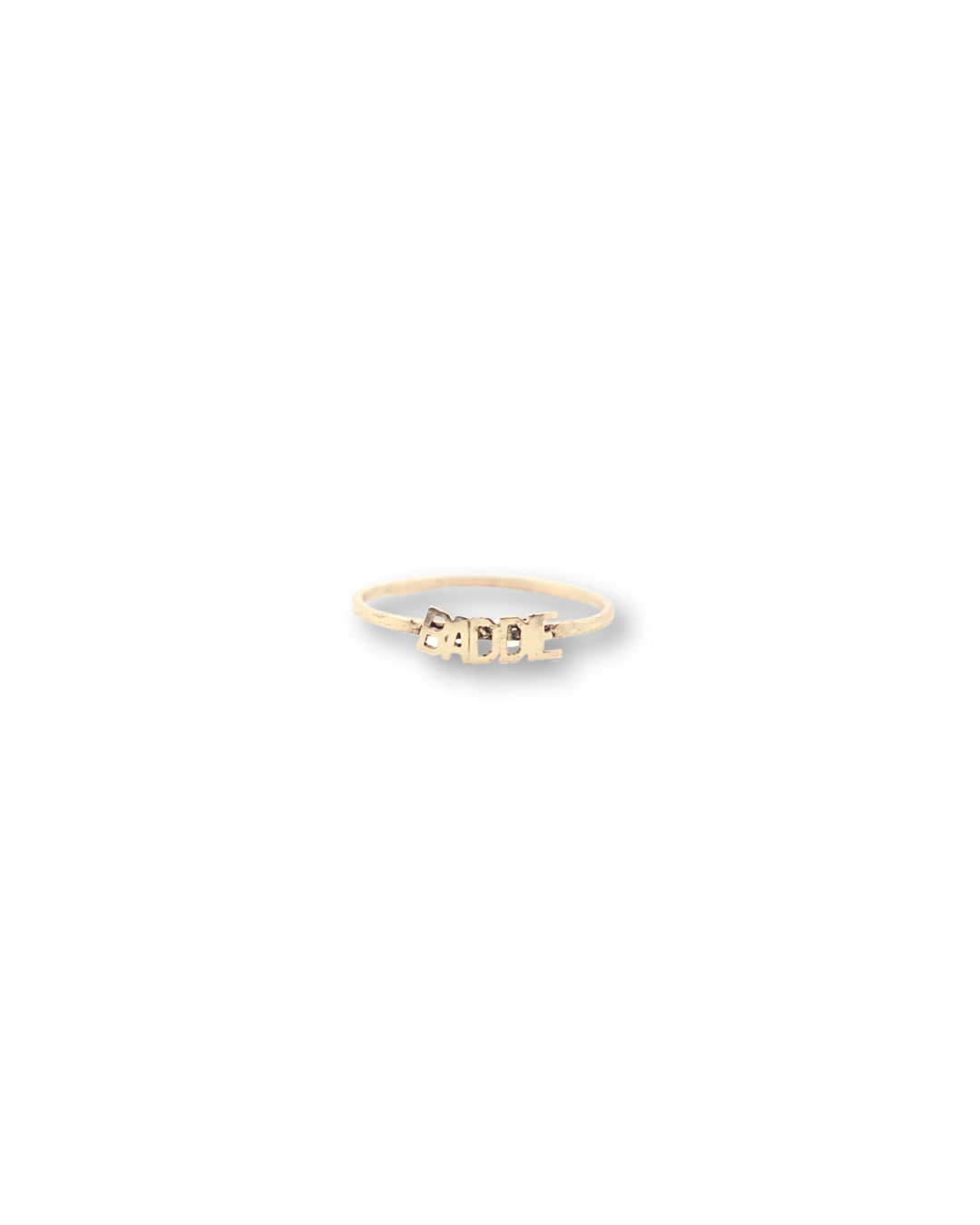
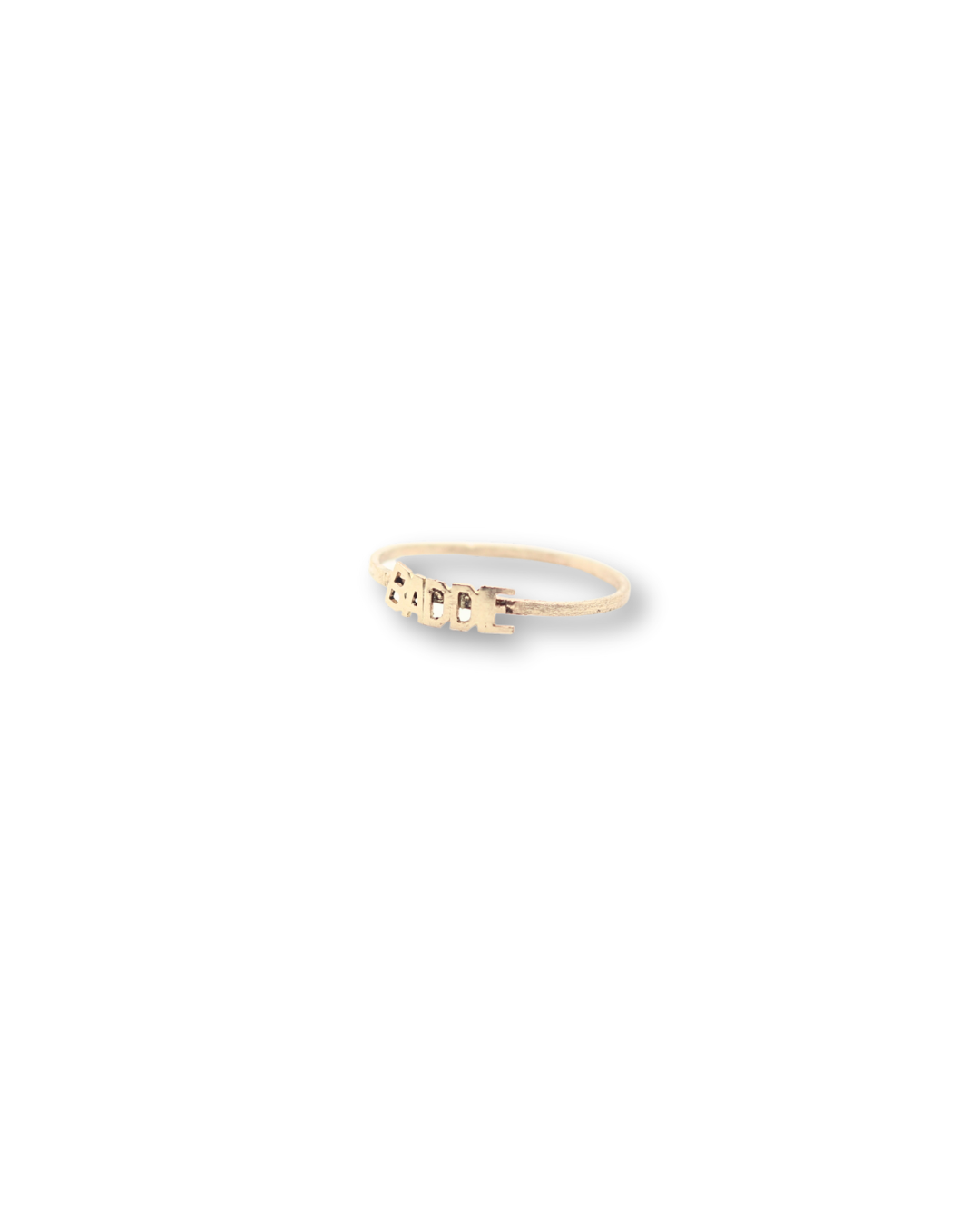
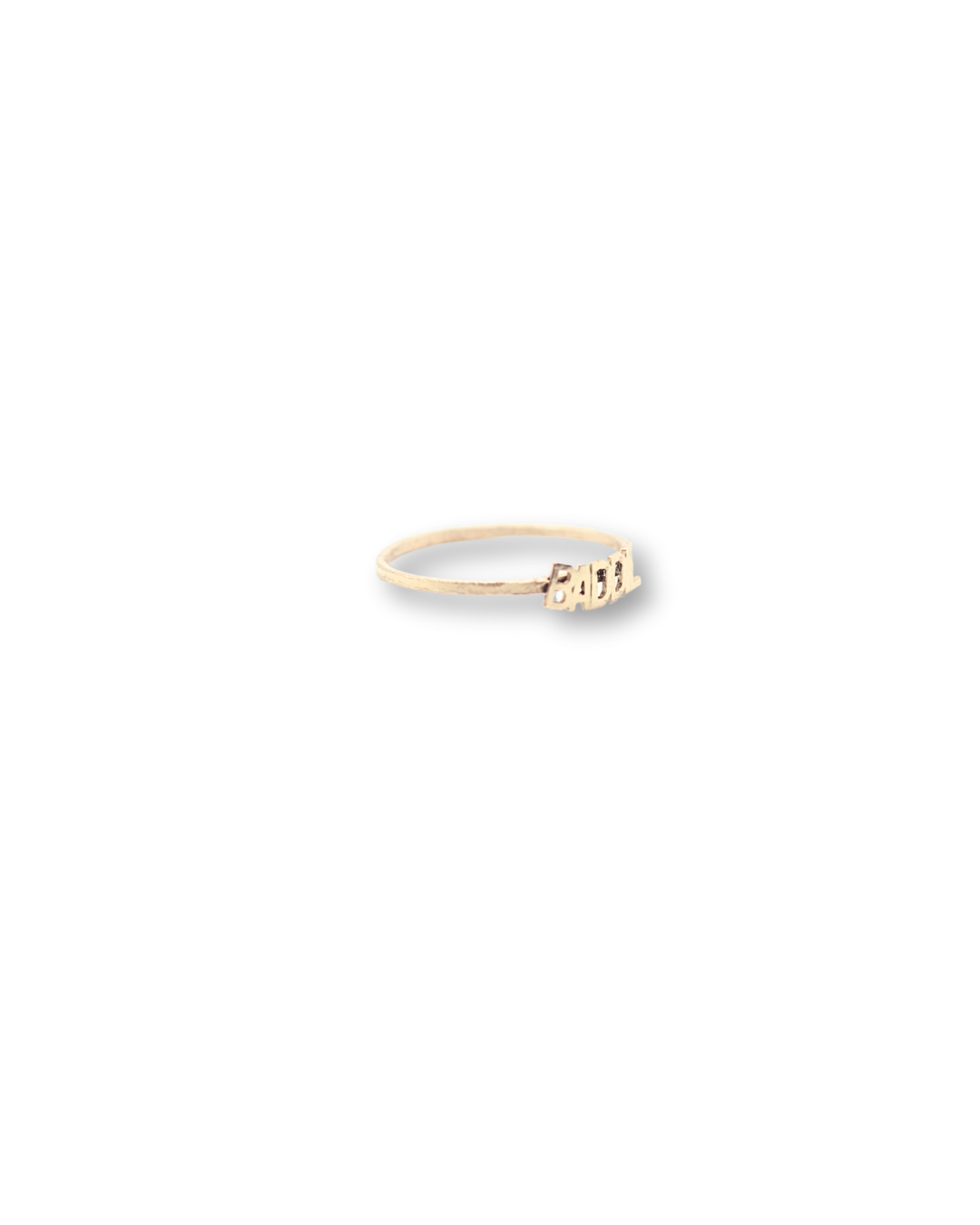
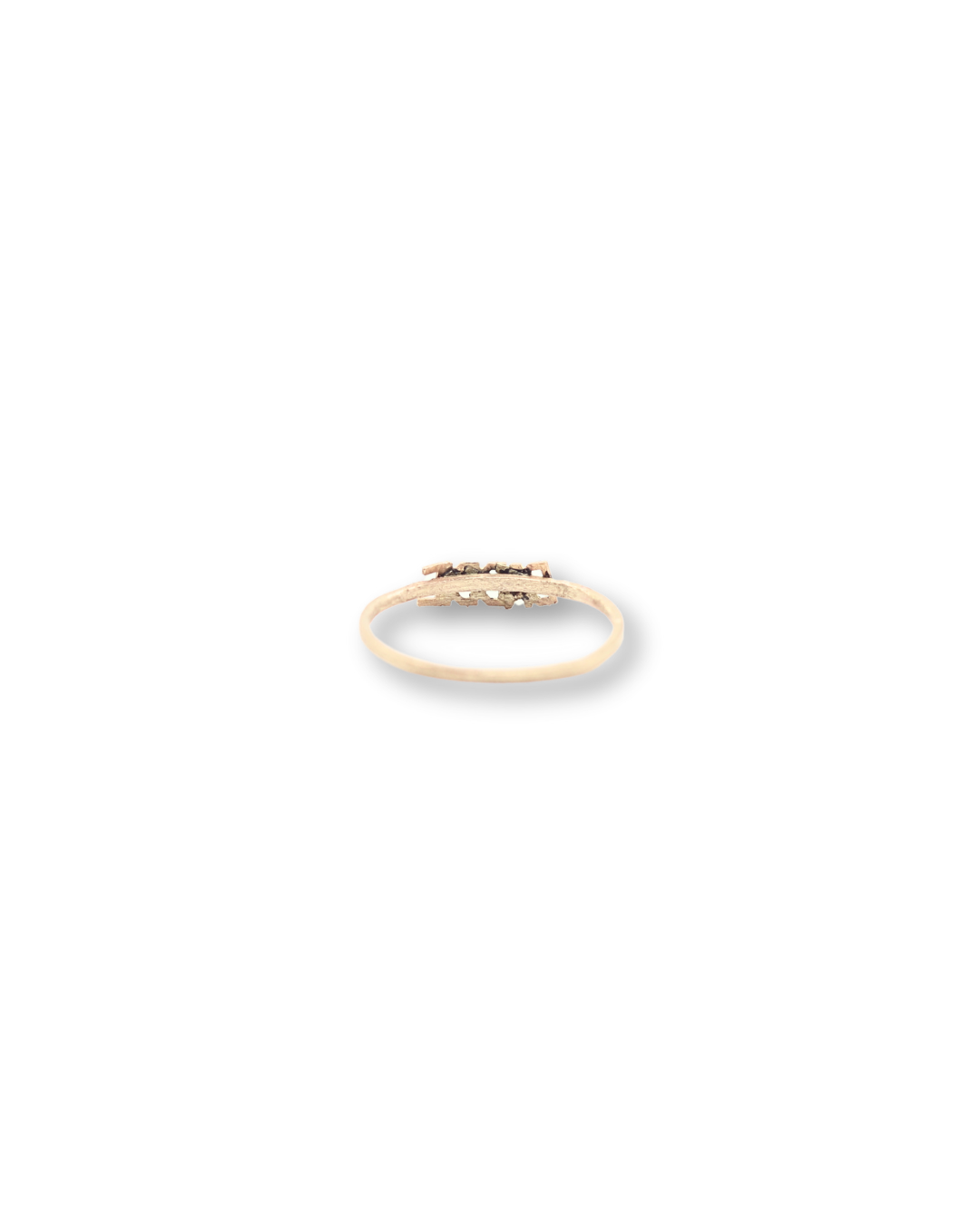
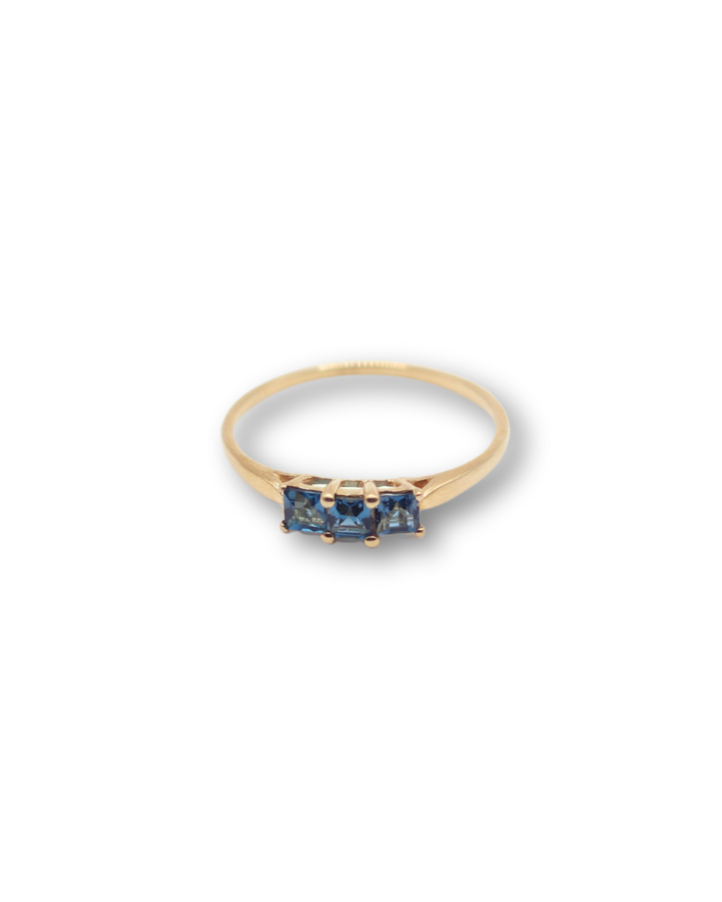
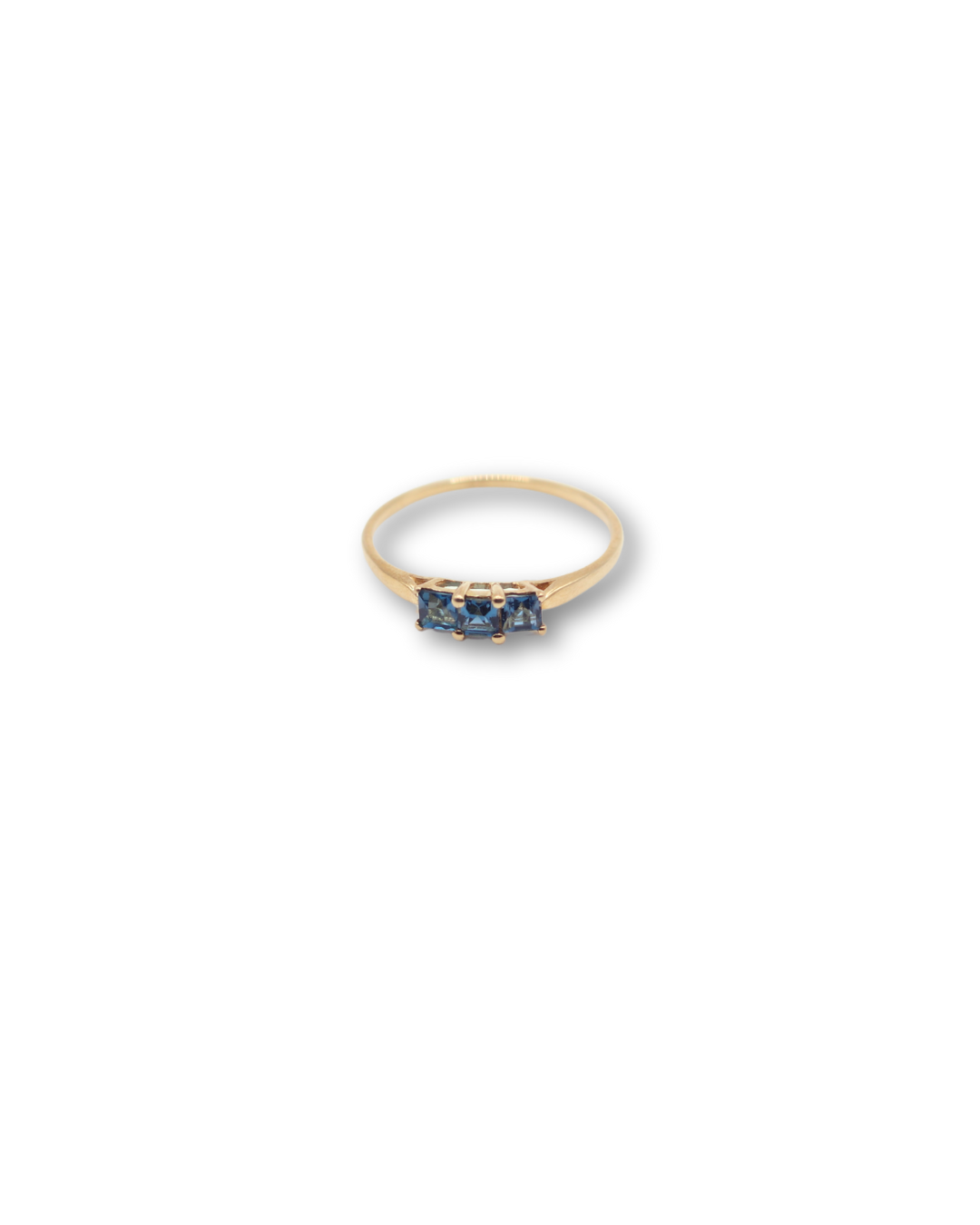
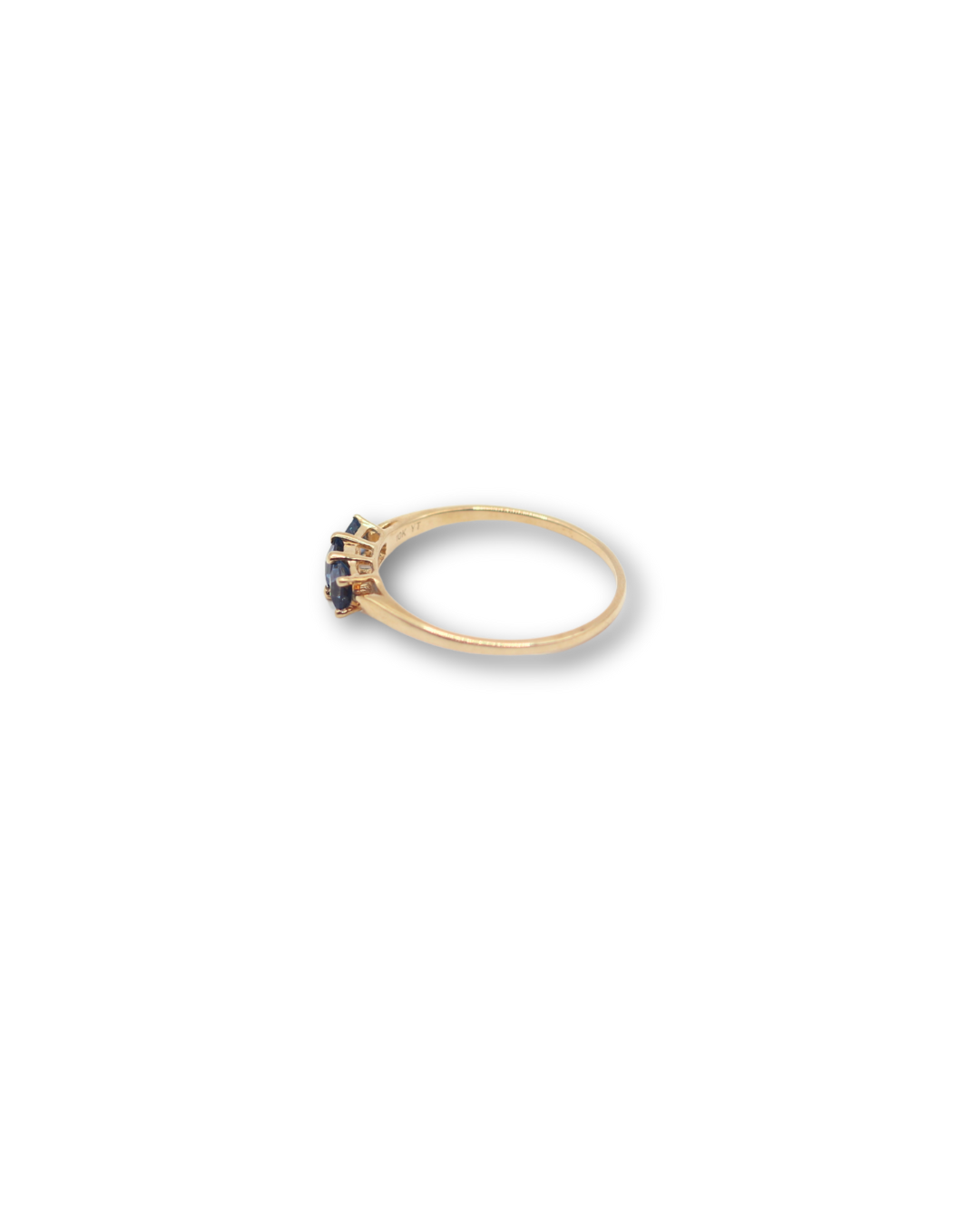
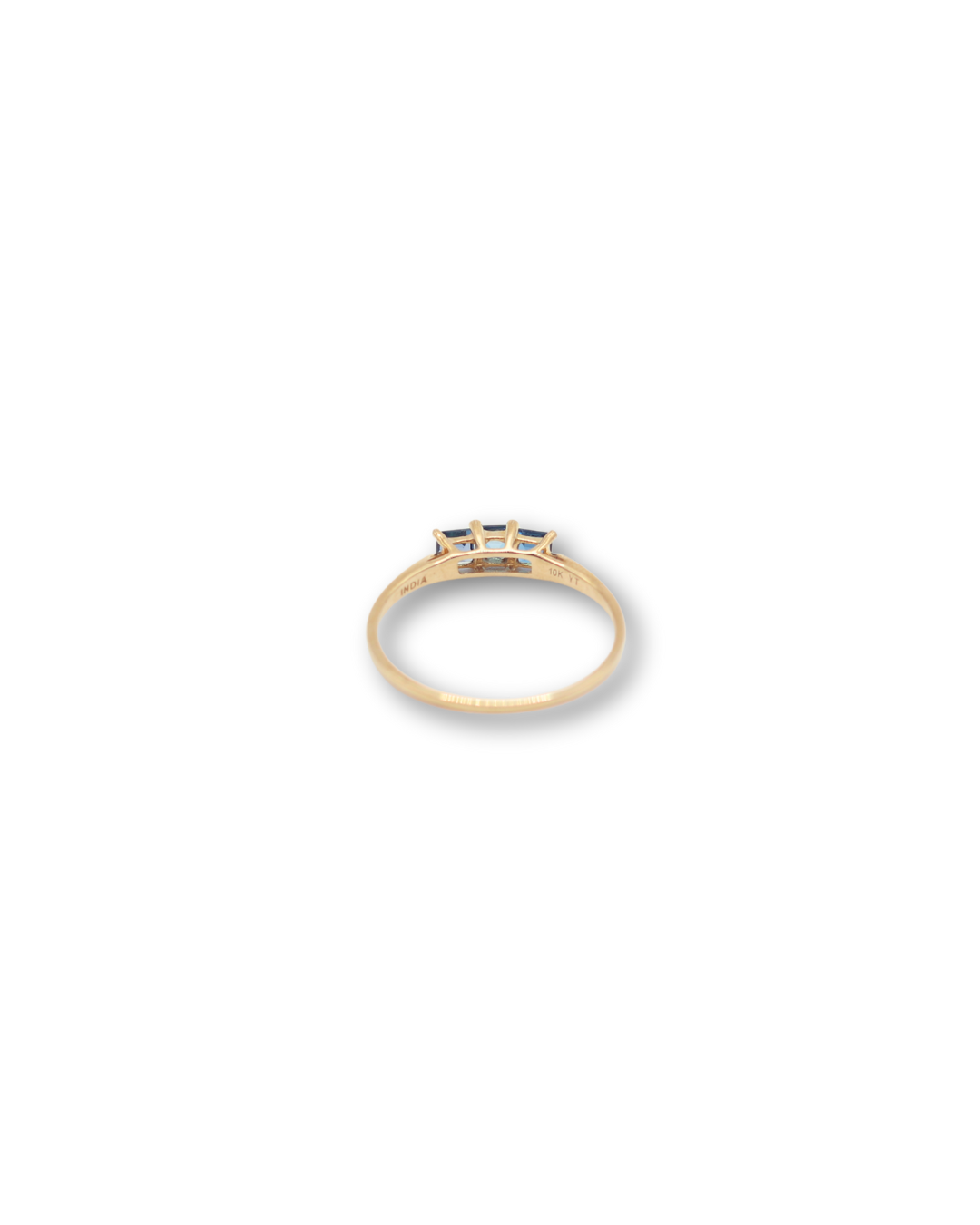
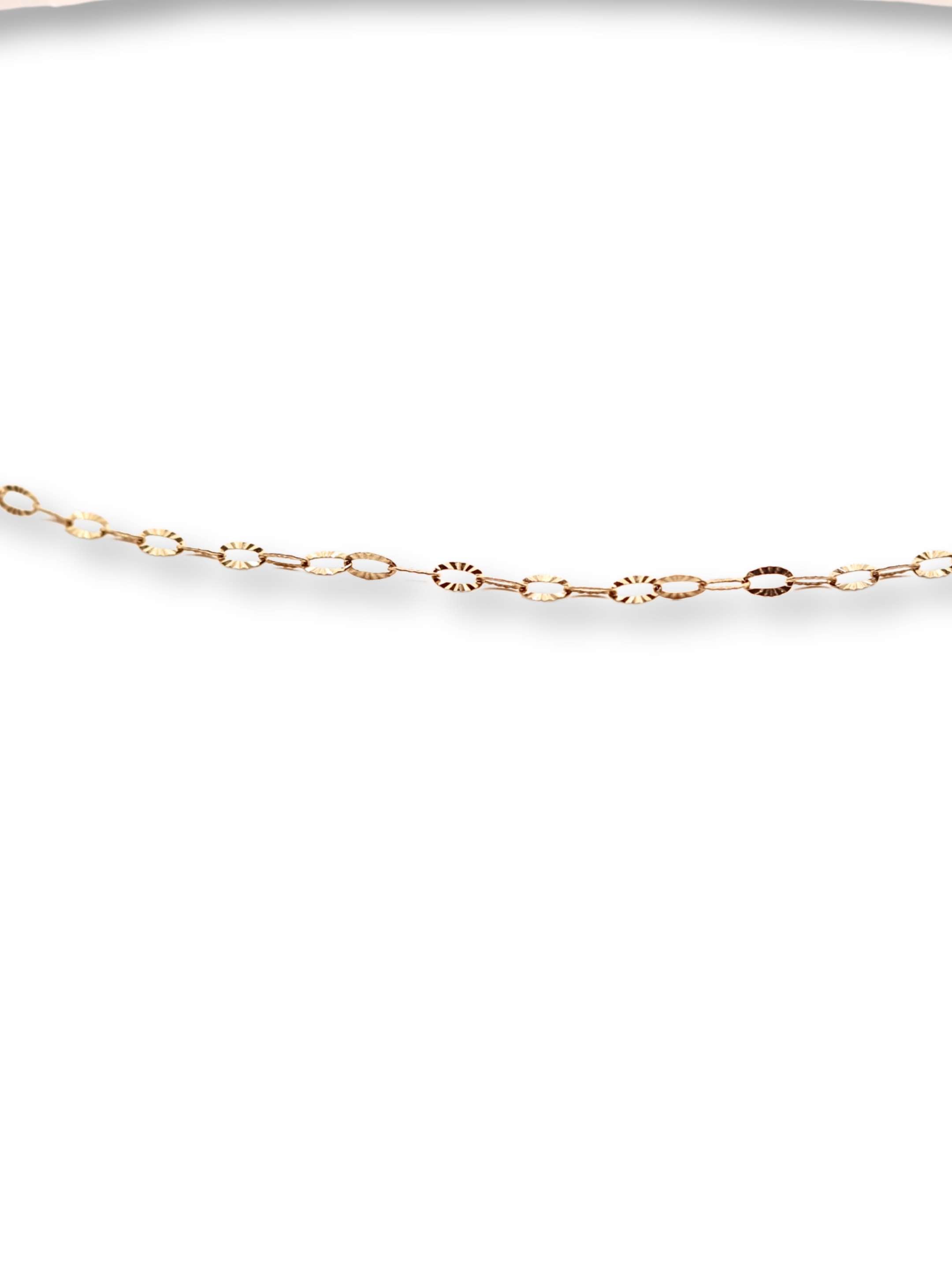
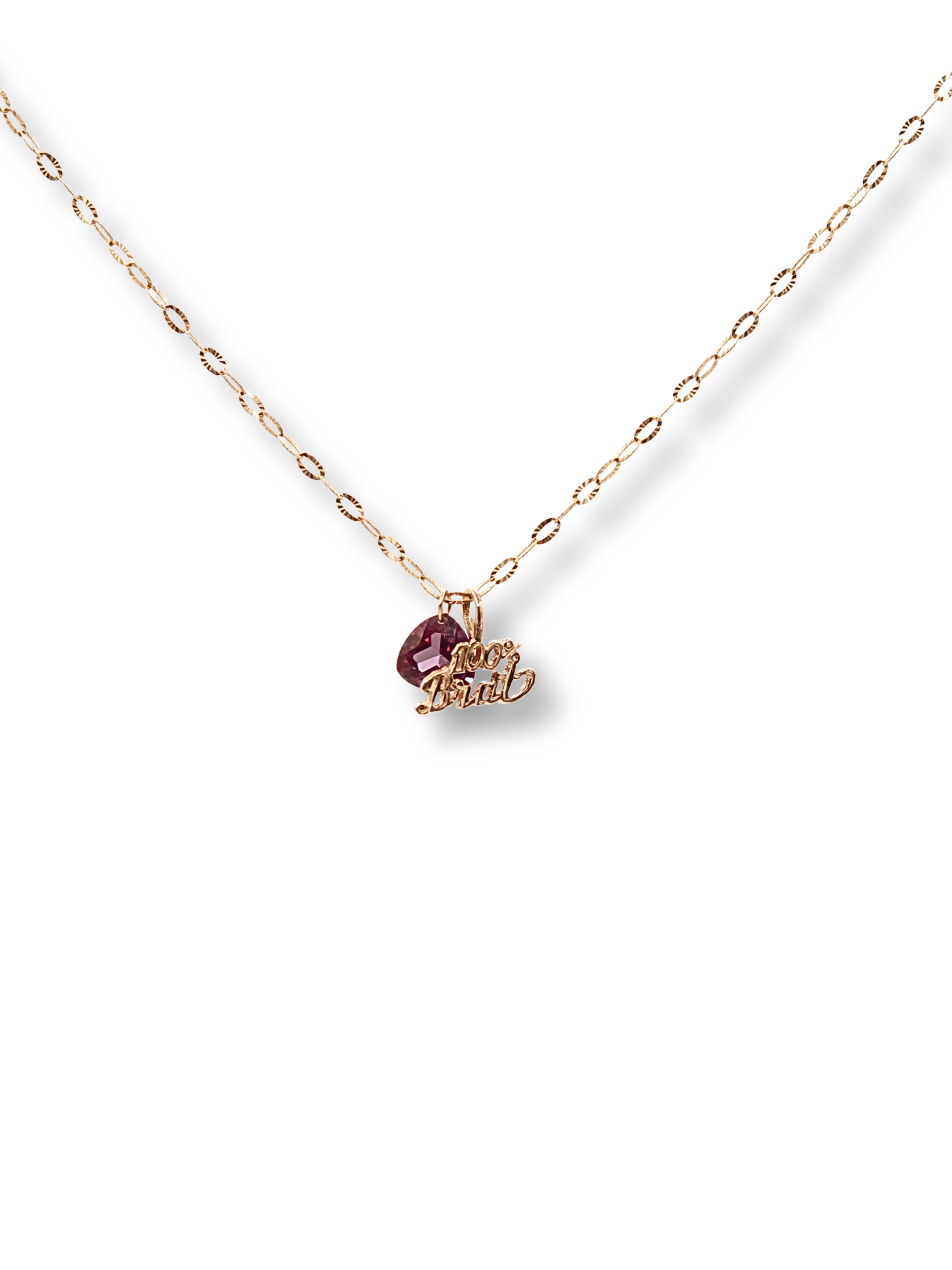
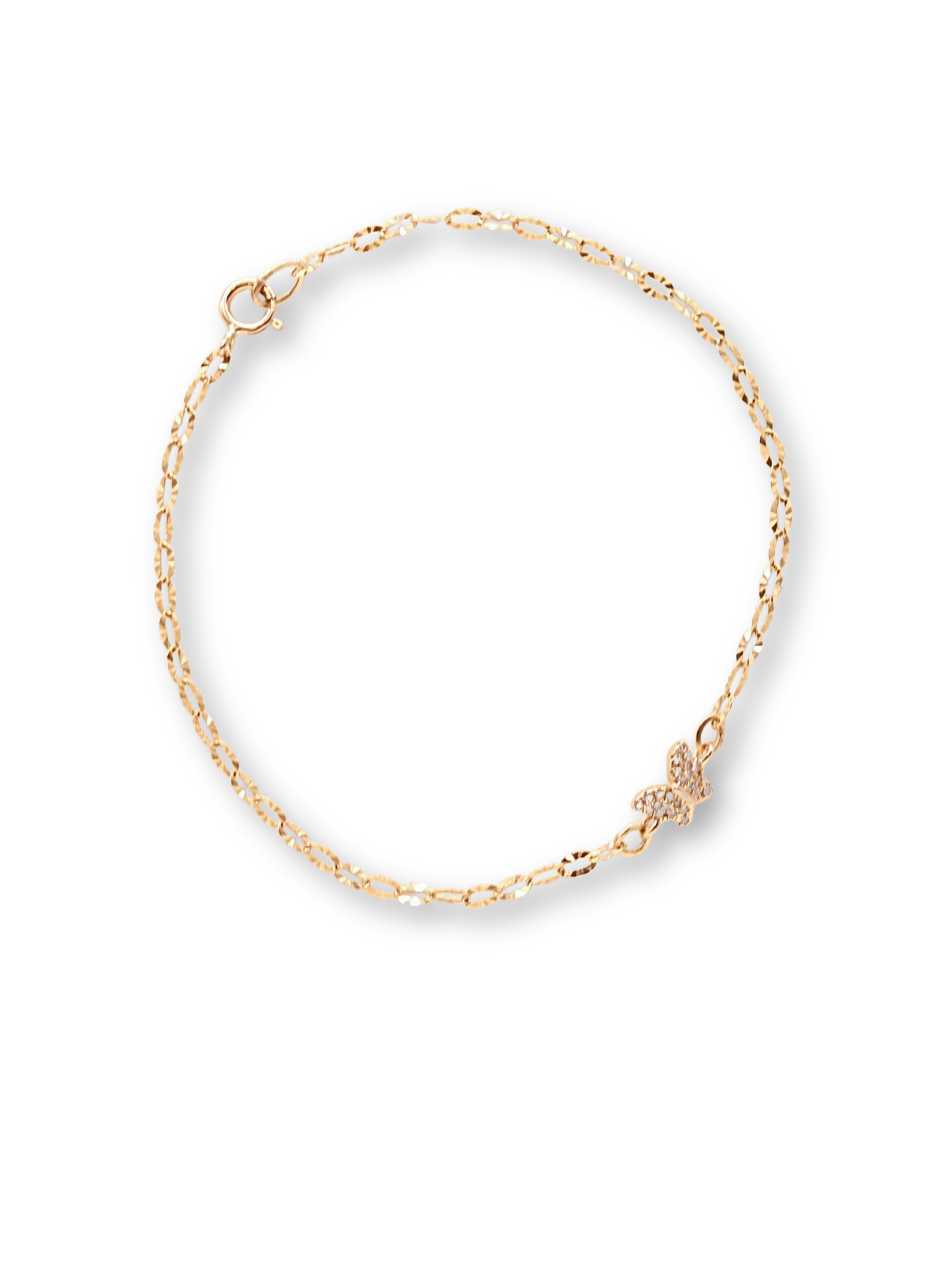
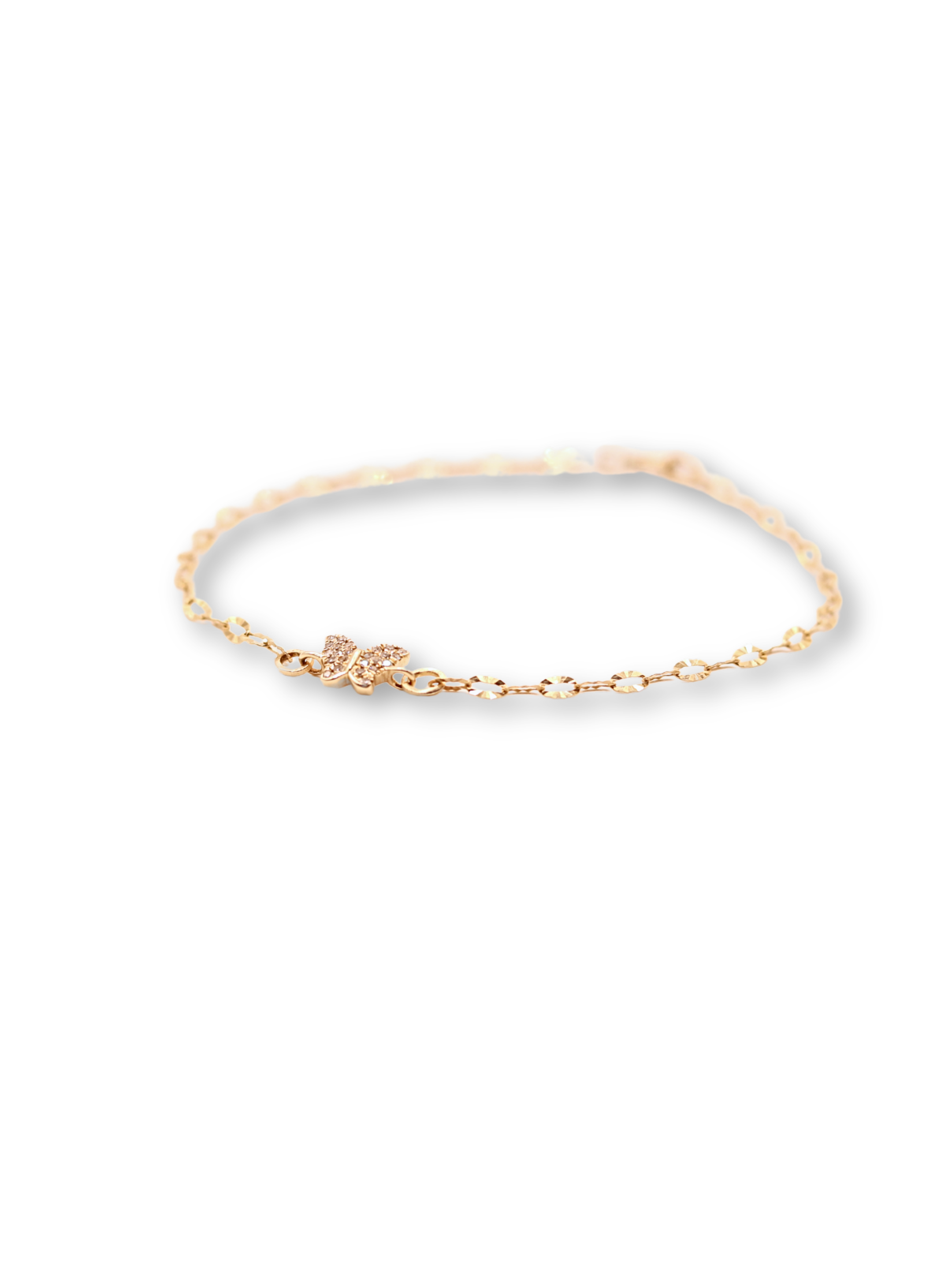
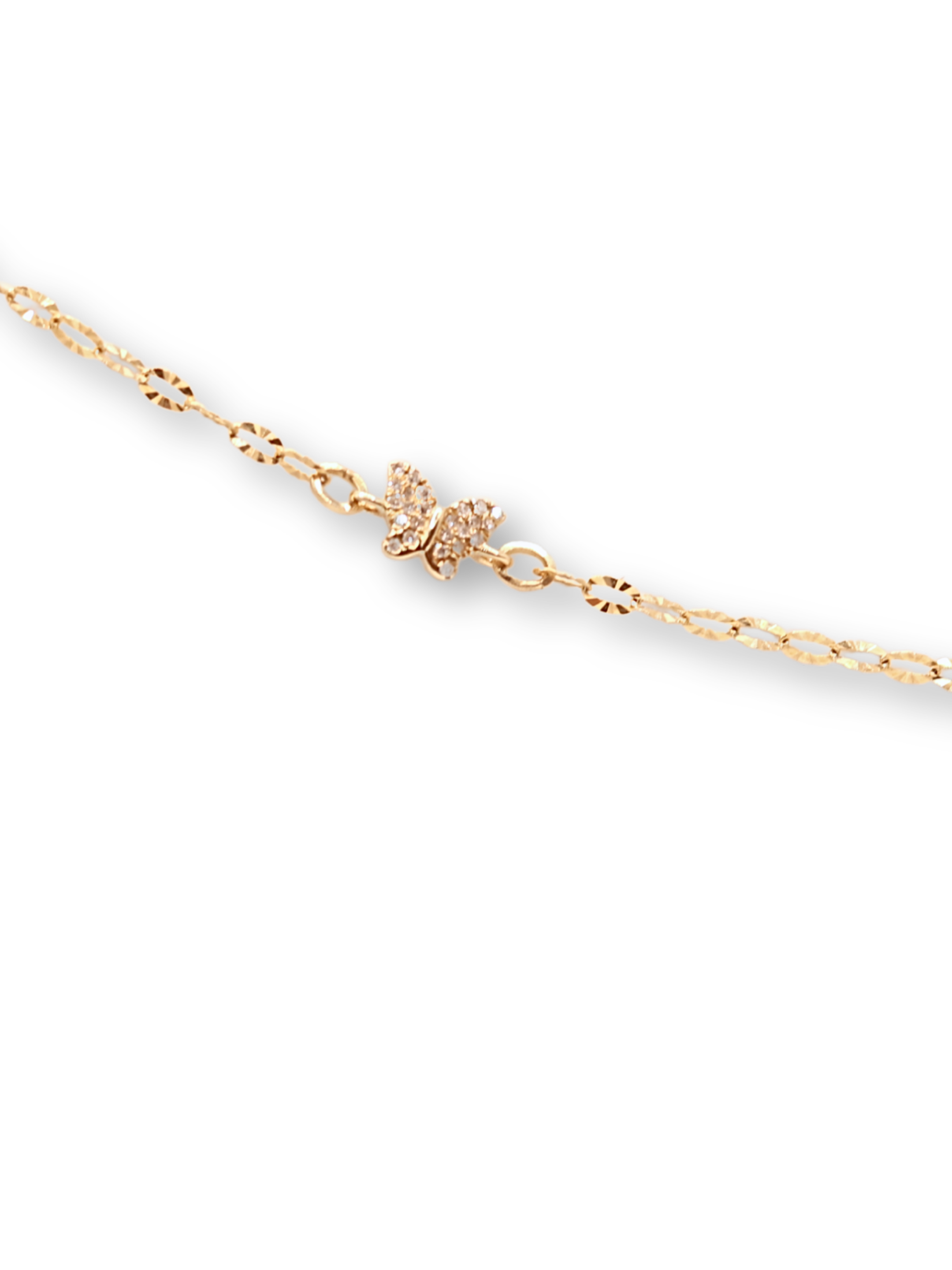
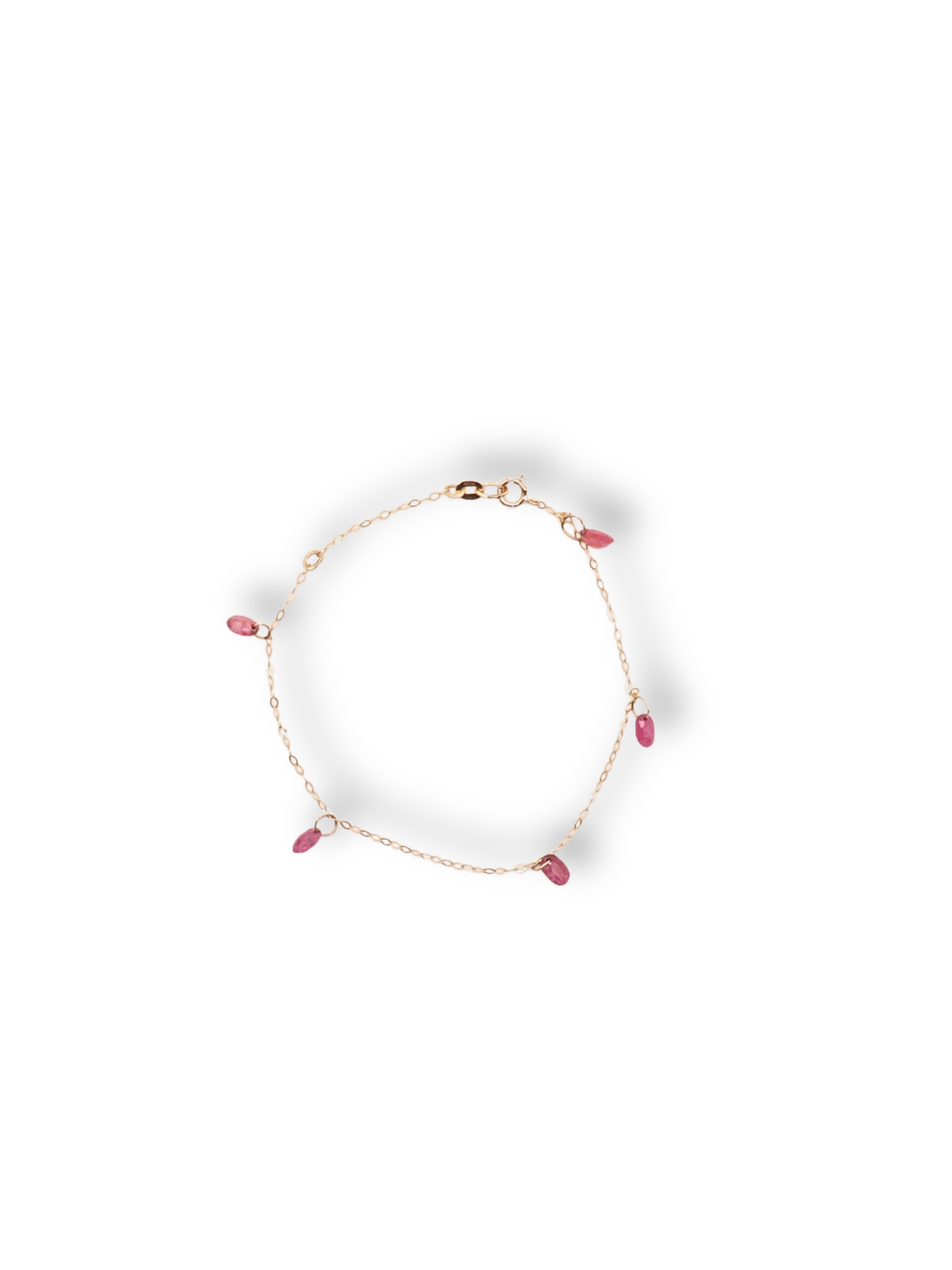
 Image 1 of 2
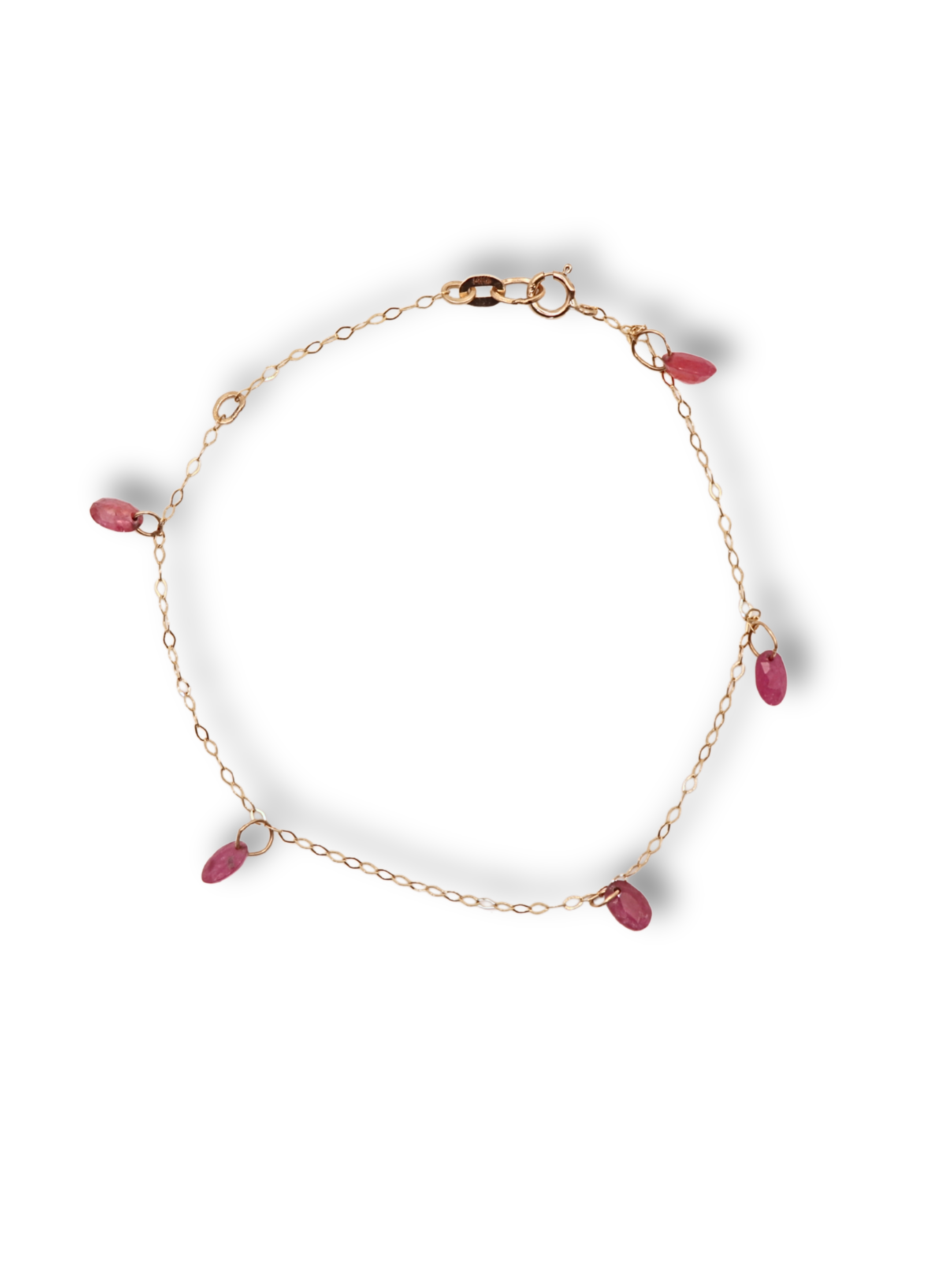 Image 2 of 2
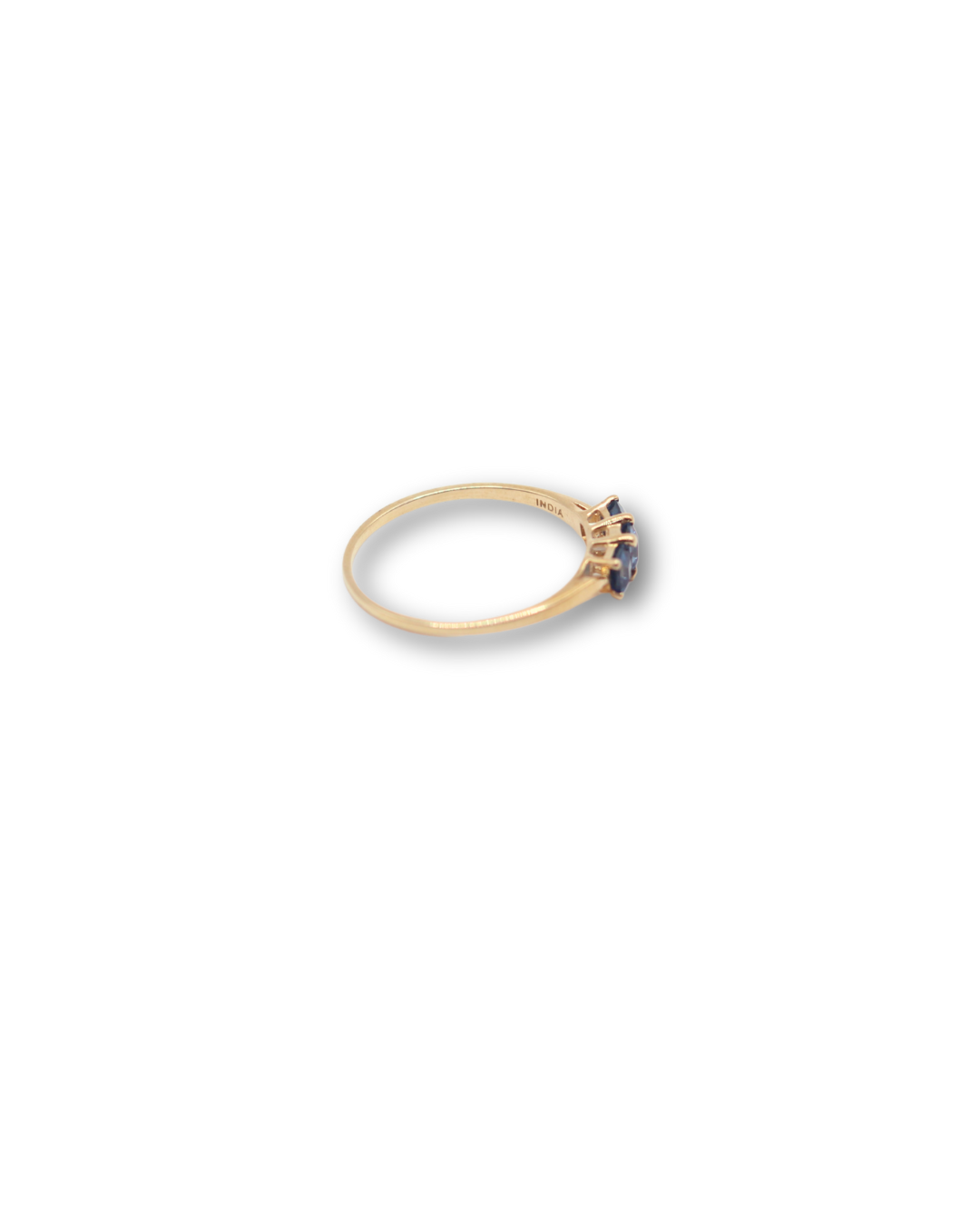
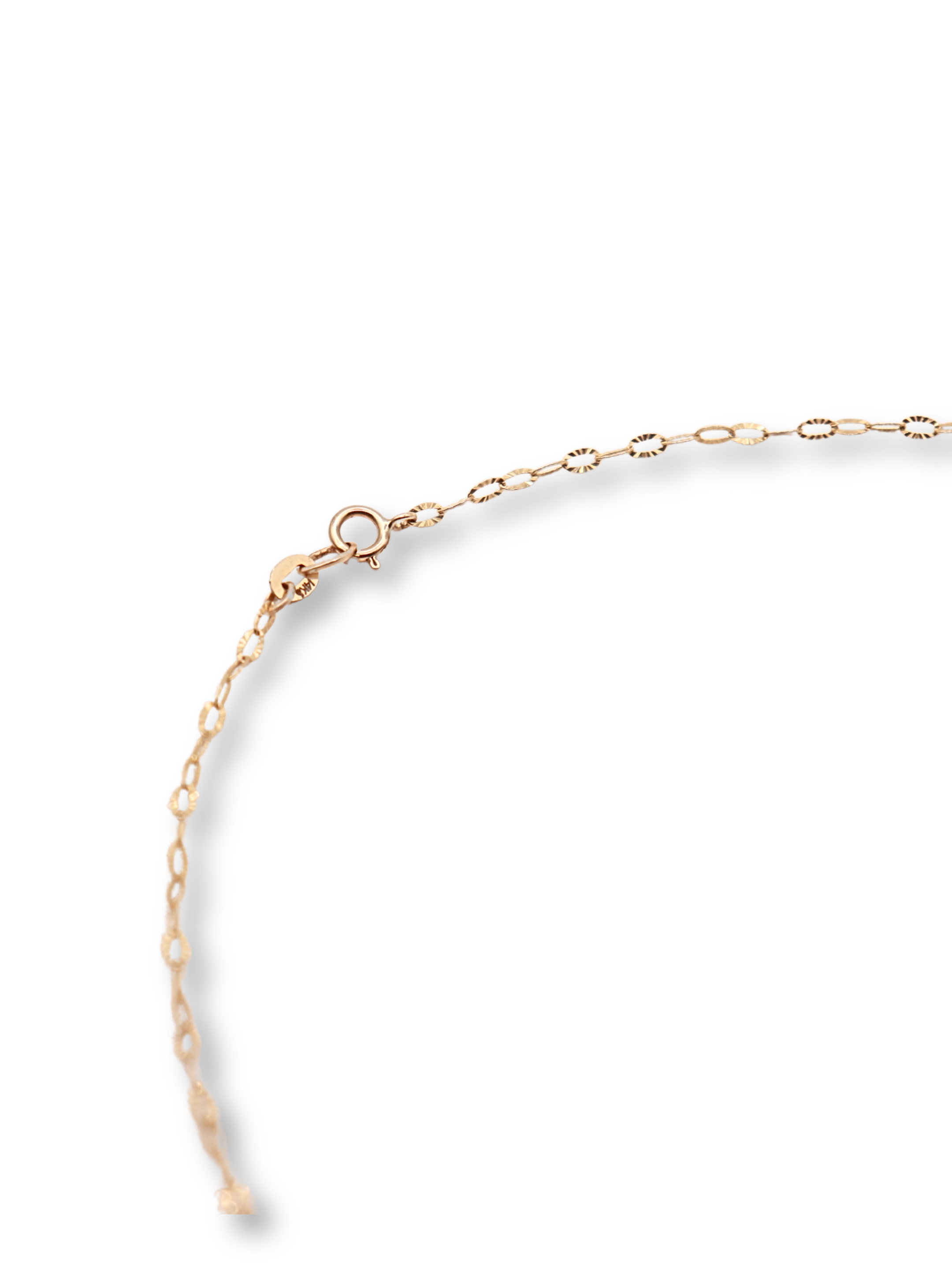
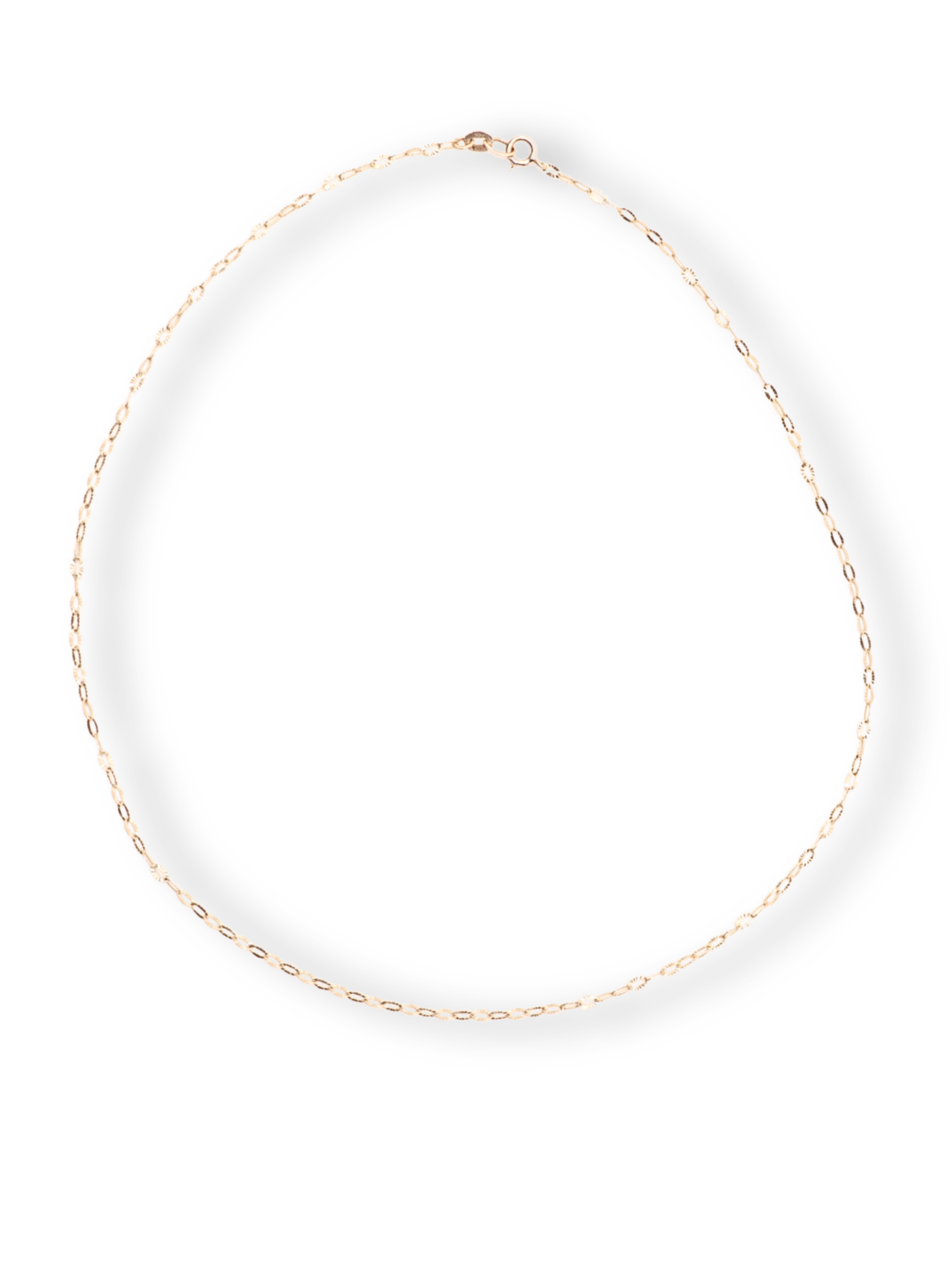
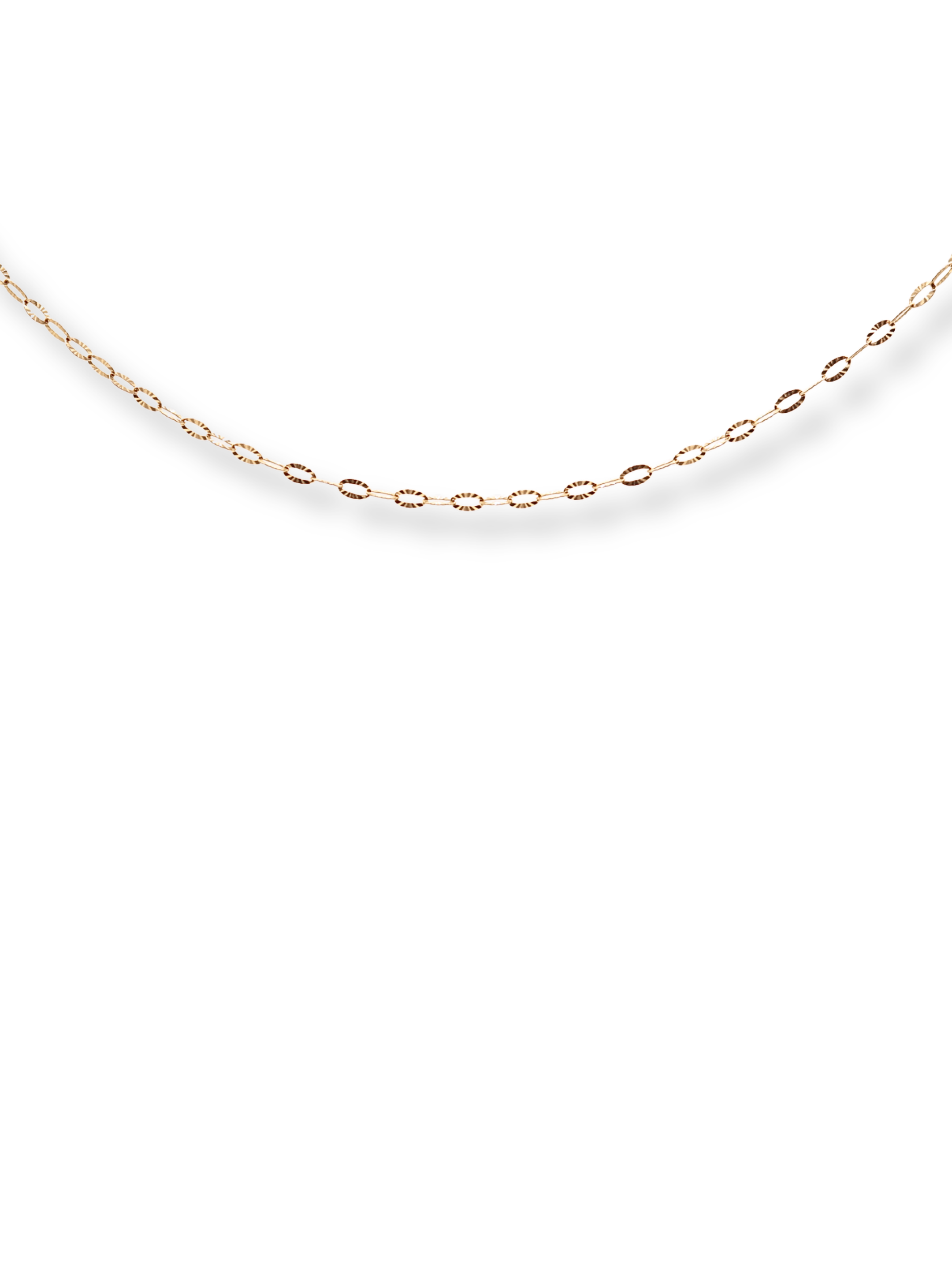
Floating Ruby Bracelet
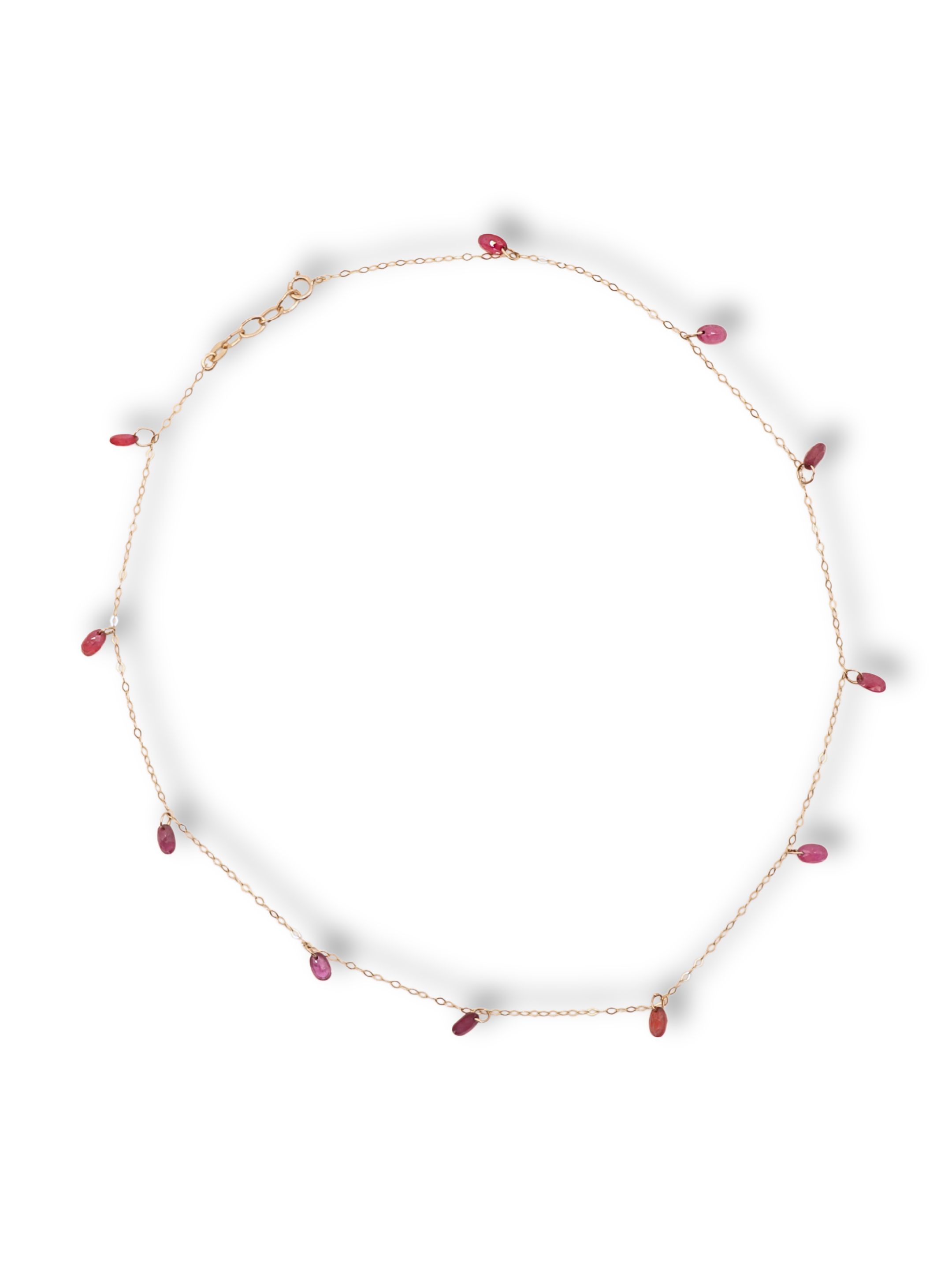
Crafted from solid 14K yellow gold with a spring ring clasp, this bracelet is finished at 6 inches — a length that fits most wrists snugly and stacks perfectly with other bracelets. It wears just as beautifully on its own.
One of a kind. When this piece sells, it is gone.
The Details
Stones: 5 natural Burmese rubies, approximately 0.30-0.40ct each
Cut: Oval, heat-treated
Metal: Solid 14K yellow gold chain and clasp
Length: 6 inches
Closure: Spring ring clasp
Handmade in the USA
One of a kind — exclusive to Coastal Carats
Need a 1-inch extender? Email contact@coastalcarats.com after placing your order.
Ships free. Backed by our lifetime craftsmanship warranty.
Why Floating?
Traditional diamond settings use prongs, bezels, or channels to hold a stone in place. They work — but they also cover part of the diamond, block light from entering certain angles, and add visual weight to the piece.
A floating diamond is different. We precision-drill a hole through the center of each lab-grown diamond in our studio, then thread it onto a 14K solid gold jump ring. The diamond hangs freely — no prongs, no bezel, no metal touching the stone's surface. Light enters from every direction. The stone turns and moves as you move. The result is a diamond that looks larger, brighter, and more alive than the same stone in a traditional setting.
Every floating diamond is drilled by hand. It is a process that requires patience, precision, and a deep understanding of how diamonds behave under pressure. Not every stone survives the drill. The ones that do become something entirely new.